

About Monica Dhaka
My work begins with the body and the way the world reads it before it knows the person.
I am interested in skin, scars, faces, bodies, and the marks people carry through life. Some of these marks come from violence and trauma, some from labour, some from discipline, and some from living outside what the world expects. In my work, I look at how these visible marks can become the first thing people notice, and how that first look can shape the way a person or community is seen and understood.
My practice is research-led. The people I work with, their voices, experiences, gestures, and spaces shape the final work. The conversations do not sit outside the artwork. They become part of the images, text, fabric, installation, and the way the work is shown.
Photography is central to my practice, but I also use moving image, fabric printing, text, juxtaposition, mirroring, repetition, and digital image manipulation. I use these methods to question the first look. I often take close-up images of skin, scars, bodies, and physical marks, and mirror or repeat them until they begin to look like patterns, landscapes, or abstract forms. From a distance, the image may appear beautiful or simple. Up close, it reveals a body, a history, and a life that cannot be understood quickly.
Juxtaposition is important in my work because I want to show the difference between what people see from the outside and what real life looks like from within. Moving image is also an important part of my practice. I use it when a still image is not enough, especially when I want to hold voice, movement, emotion, and the complexity of a subject.
My first moving image work, Belonging & the Scene, explored London’s leather and kink community. The work looked at how people create safety, trust, and belonging inside a community that is often misunderstood from the outside.
In Before You See the Scar, made with acid attack survivors in India, I look at how scars can become the first thing people notice before the woman herself. Through portraits, close-up images of scarred skin, fabric, and words from the women, the work asks what changes when the scar is not seen only as damage, but as a surface that holds survival, memory, and life.
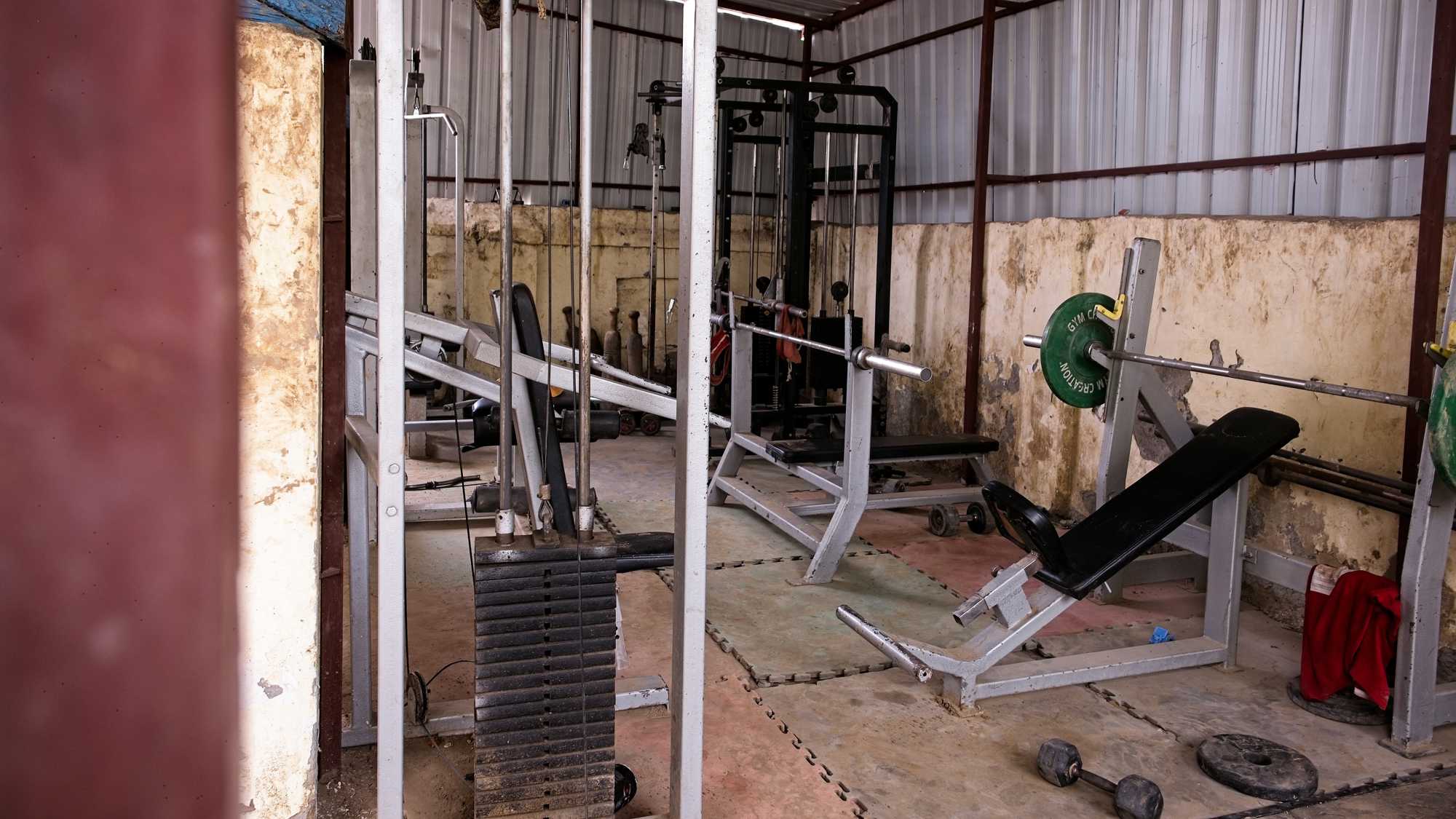
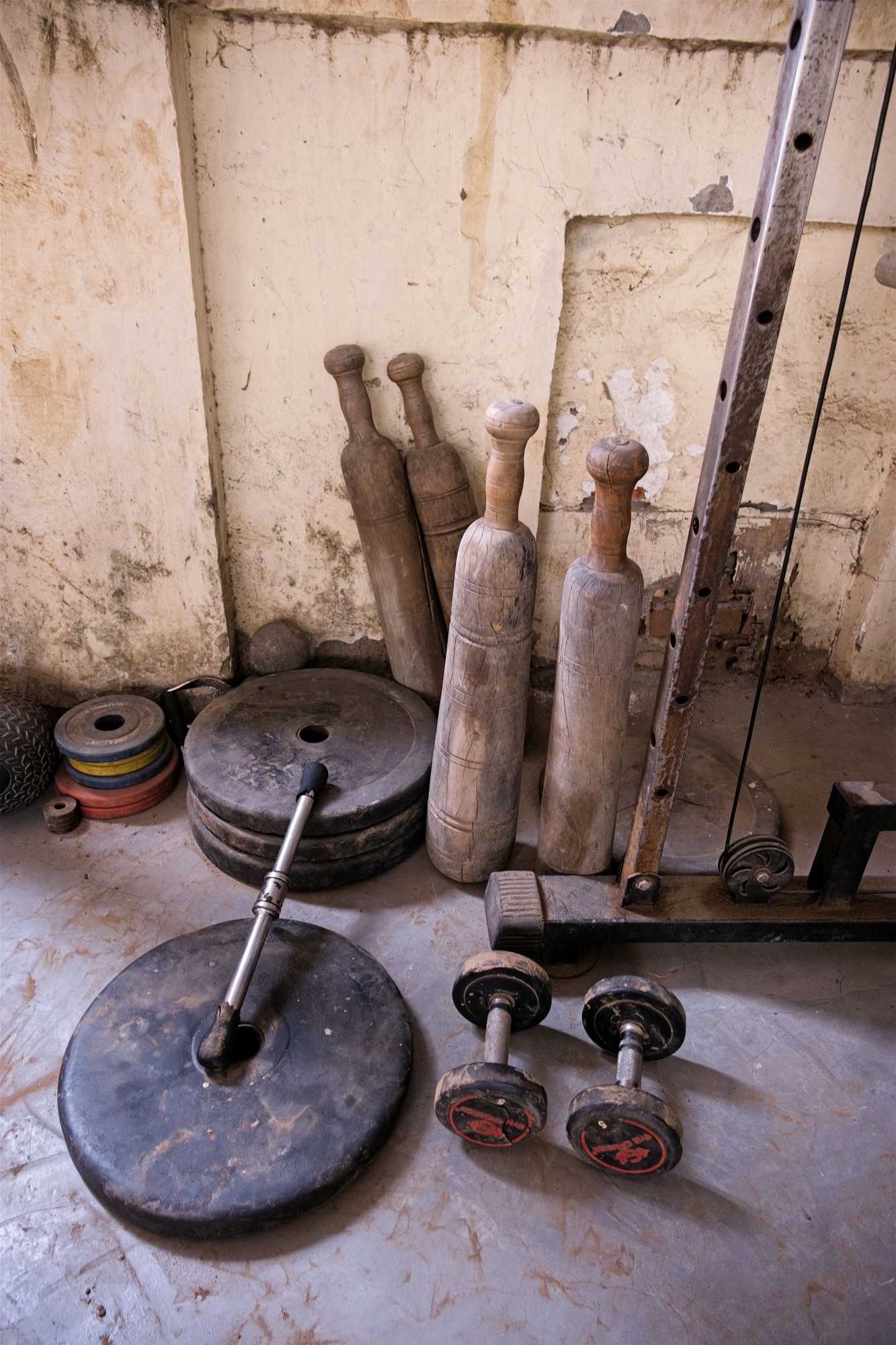
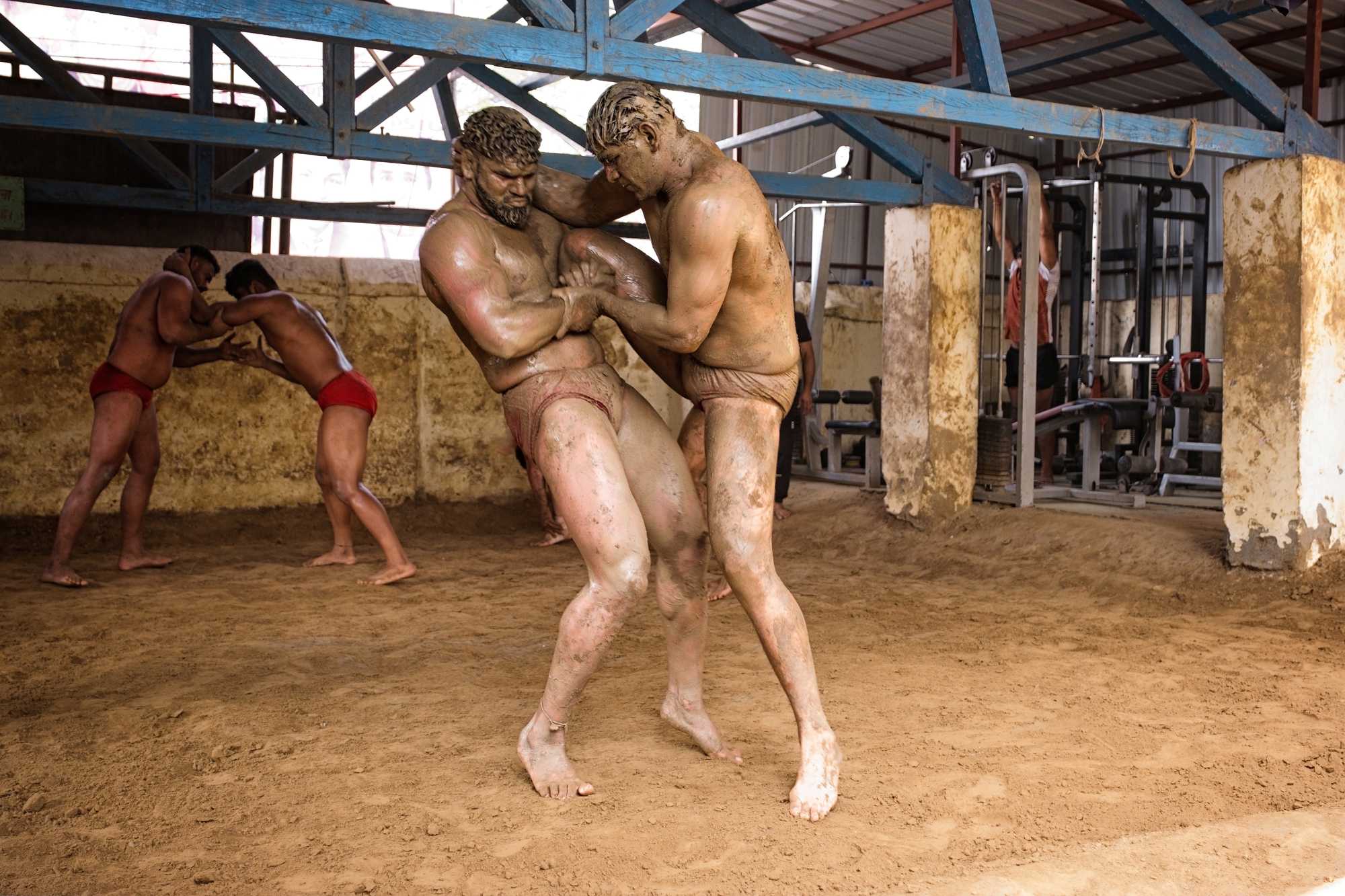
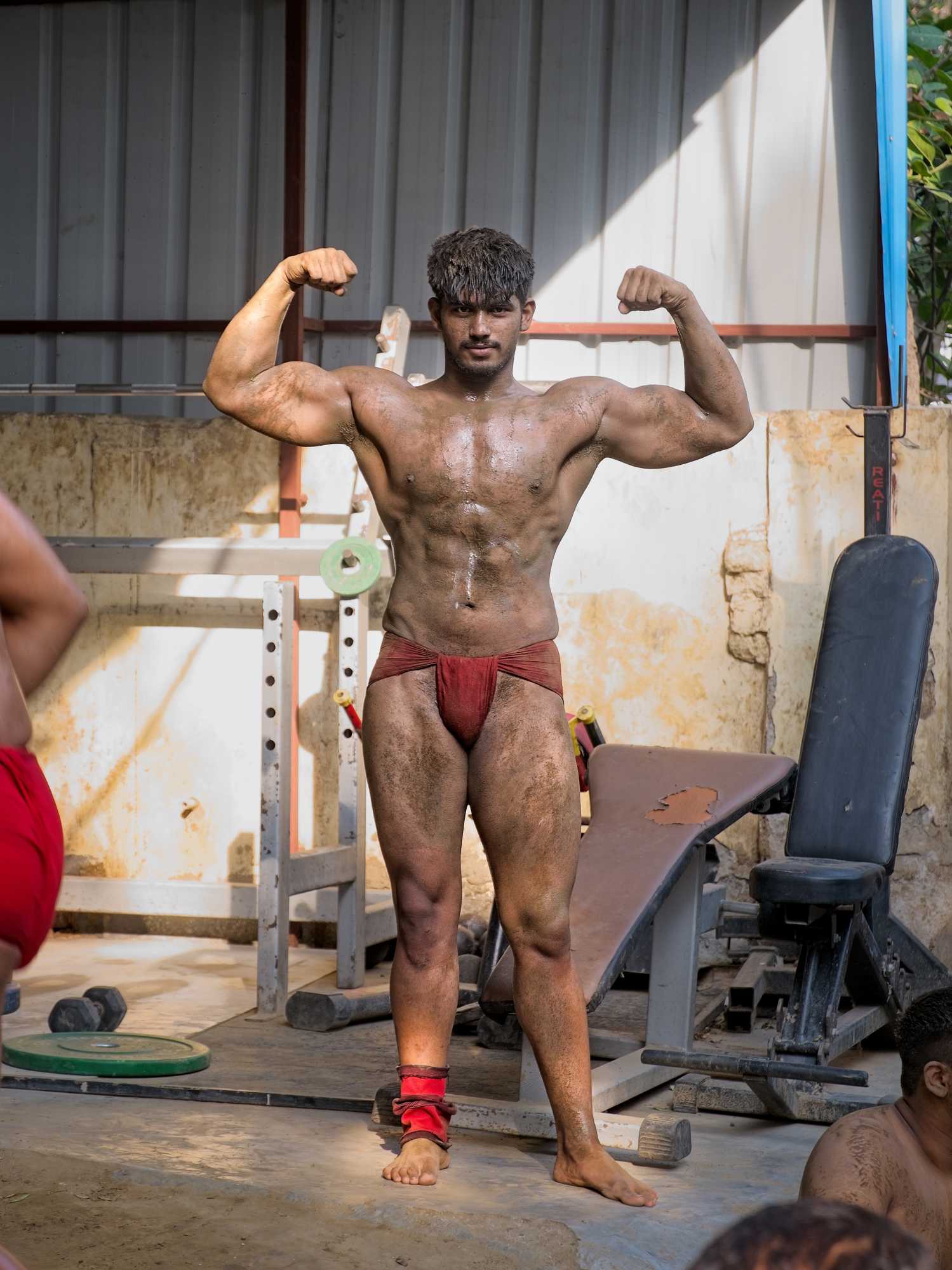
The Pahalwans who stayed, I look at traditional mud wrestling in Delhi. Through diptych-style photography, I place the wrestlers’ bodies, cauliflower ears, soil, discipline, and daily life beside one another. The work looks at how the body becomes a record of labour and belonging, and how wrestlers are preserving a tradition that is slowly disappearing.
Across my work, I ask what it takes to belong when the world has already decided what it sees first.
View Monica Dhaka's photography portfolio on TopPhotoAwards. Explore the latest photographs, discover the artist's unique photographic style, and learn more about their creative work, photo contest participation, and achievements.