

Costa Rican wildlife photographer ALVARO CUBERO has spent years documenting some of the world's most extraordinary wildlife while leading expeditions across Africa, Madagascar, and Central America. As a conservation storyteller, Canon EOS Master Ambassador, and Top Photo Awards judge, his work inspires photographers to look beyond technical perfection and connect deeply with the natural world.
1. You grew up surrounded by the incredible biodiversity of Costa Rica. Can you remember the moment when you realized wildlife photography would become your life's passion?
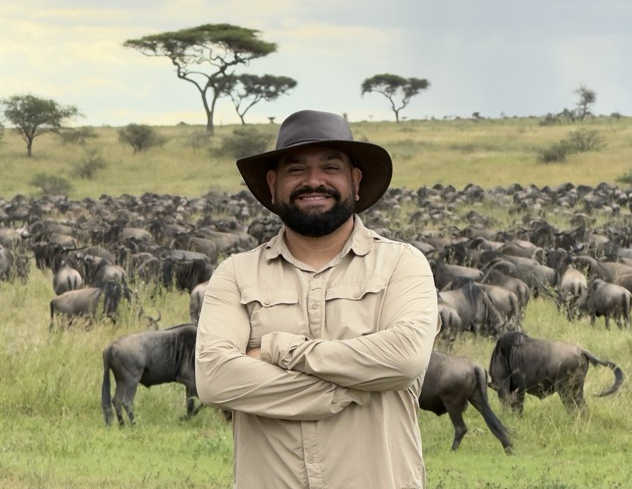
It all started long before I ever held a camera. I grew up in a small town in Costa Rica called Marañonal de Esparza, and as a kid I spent countless hours exploring the riverbanks near my house. That hunger for exploration was born in those forests — turning over leaves, following animal tracks, wondering what was around the next bend of the river. When photography came into my life years later, it simply gave me a way to share what I had been feeling since childhood. I didn't choose wildlife photography as a career; it was the natural continuation of that kid walking along the river.
 © ALVARO CUBERO
2. Your photographs are not only visually stunning but also tell powerful stories about wildlife and conservation. How do you decide when an image is "successful" — is it about artistic beauty, emotional impact, or the message it delivers?
For me, a successful image is one that makes people feel something for an animal they may never see in person. Beauty matters, of course — light, composition, the technical side — but beauty alone fades quickly. The images I consider truly successful are the ones where emotion and story come together: a behavior, a gaze, a moment of vulnerability. If someone looks at my photograph and cares a little more about that species than they did before, that image did its job.
3. You've photographed wildlife across many countries. Which destination has challenged you the most as a photographer, and which one has changed you the most as a person?
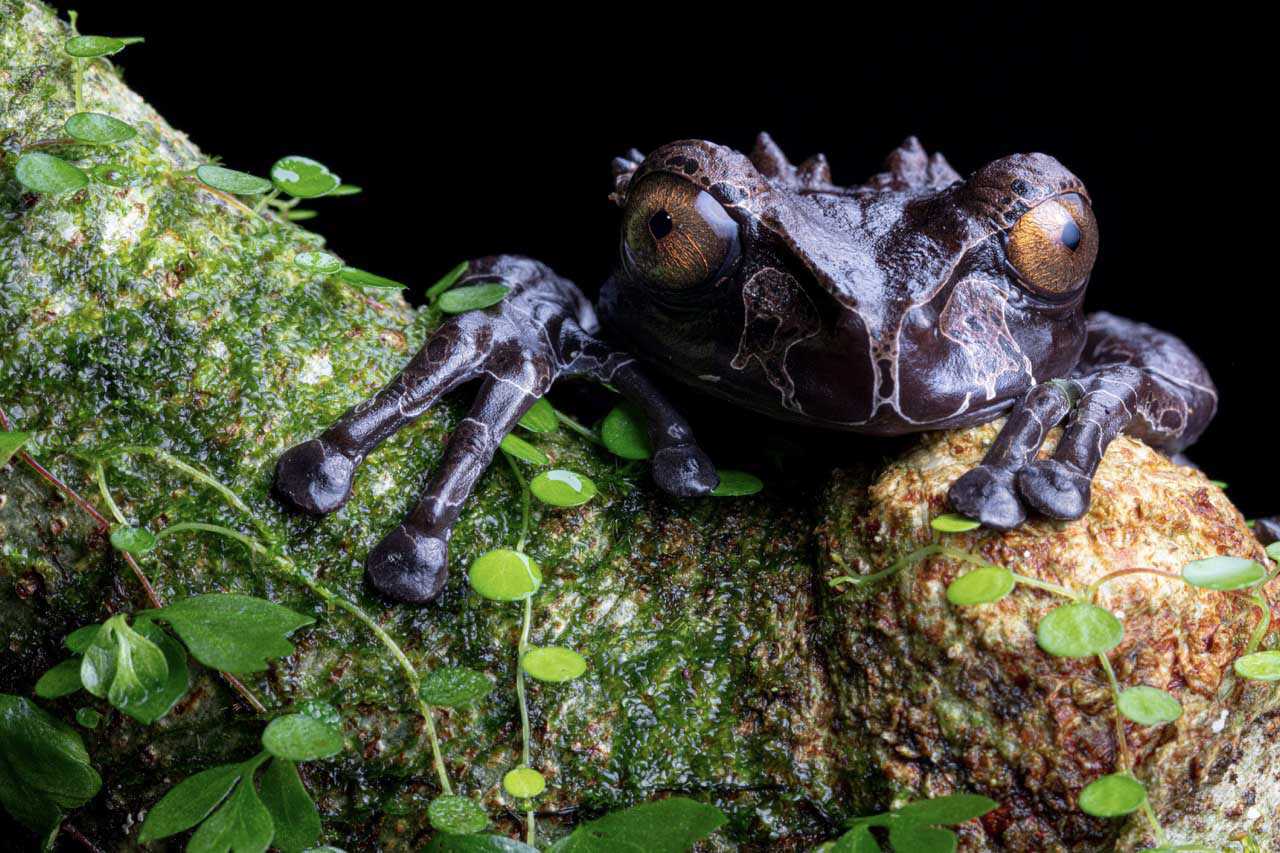
Madagascar, without a doubt — and it's the answer to both questions. I've led multiple expeditions there, and it remains the place that has tested me the most: the logistics, the humidity, the tiny and elusive subjects, the physical demands of the forest. But more importantly, Madagascar taught me humility. It taught me that what I photograph — what is standing in front of my lens — is far more important than my photographic ego. Once you truly understand that, your whole approach in the field changes. You stop chasing trophies and start honoring subjects.
 © ALVARO CUBERO
4. Wildlife photography often means long trips, early mornings, and plenty of time away from home. How important has your family's support been throughout your career, and who has been your biggest source of encouragement along the way?
I’ll be honest: without my family’s support, this career simply wouldn’t exist. Wildlife photography looks glamorous from the outside, but behind every image there are weeks away from home, missed birthdays, and phone calls from a tent in the middle of nowhere. My family has never made me feel guilty for chasing this life — on the contrary, they’ve been my biggest source of encouragement, celebrating every achievement as if it were their own. Knowing they’re proud of what I do gives meaning to every sacrifice.
That said, I think it’s important to say something that isn’t talked about enough: the life of an international wildlife photographer can be lonely. You spend long stretches in remote places, often by yourself, far from the people you love. I’ve learned to embrace that solitude — some of my most profound moments in nature have happened precisely because I was alone with it — but I’d be lying if I said it’s always easy. That’s why coming home matters so much. The wild gives me purpose, but my family gives me a reason to return.
5. Wildlife photography often requires endless patience and preparation. Can you share one unforgettable moment in the field that made every difficult hour worthwhile?
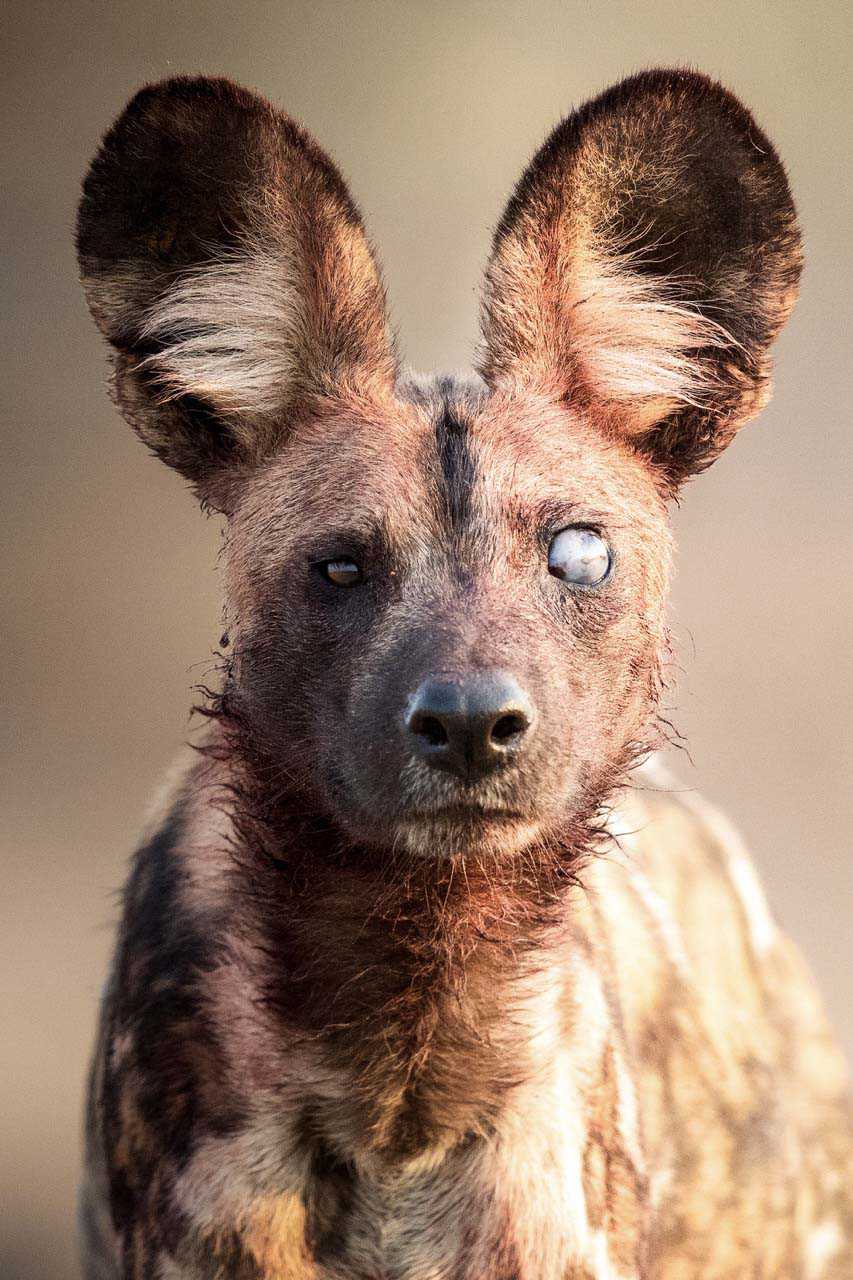
The first time I photographed African wild dogs. It's a moment so important to me that it became the subject of my second TEDx talk. Wild dogs are among the most endangered carnivores in Africa, and finding them is never guaranteed — you can spend days searching and come back with nothing. When I finally found myself surrounded by a pack, watching the greeting rituals, the energy, the incredible social bonds between them, I completely forgot about the hours and the effort it took to get there. That encounter reminded me why I do this: some moments in nature are so powerful that photographing them feels like a privilege, not a job.
 © ALVARO CUBERO
6. As someone who leads photography expeditions around the world, what is the biggest mistake you see photographers make when they first start photographing wildlife?
Rushing. New photographers arrive, see the animal, fire hundreds of frames, and move on to the next sighting. They collect species instead of moments. The best images almost never happen in the first five minutes — they happen when you stay, observe, and let the animal forget you're there. My advice on every expedition is the same: put the camera down for a moment, understand the behavior, anticipate what's about to happen. Photography is the last step, not the first.
7. Conservation has always been an important part of your work. Do you believe photography can genuinely help protect endangered species, and have you witnessed an example where an image made a real difference?
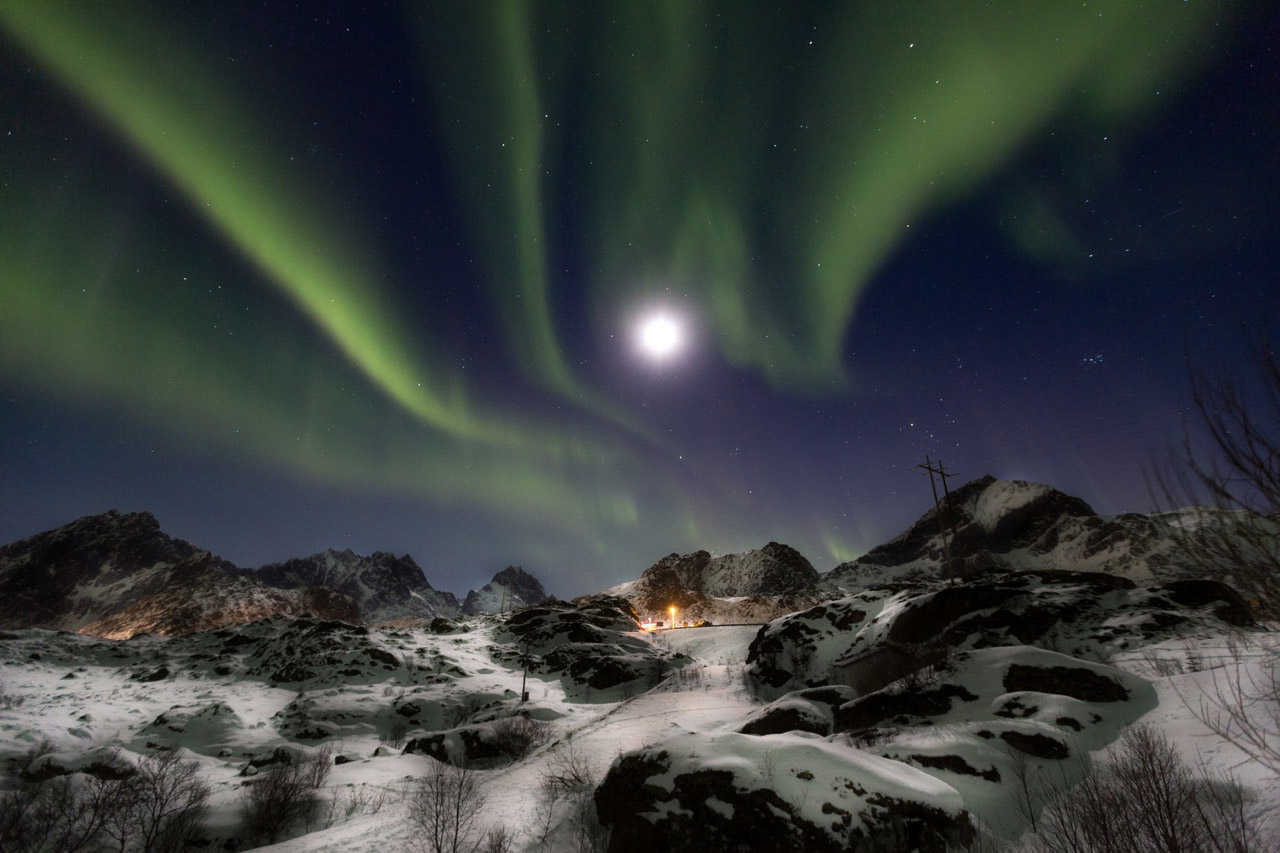
Absolutely. People protect what they love, and they can only love what they know. Most people will never see a lemur in Madagascar or a wild dog in Botswana with their own eyes — photography is the bridge. I've seen it directly through my own work: images and stories I've shared have inspired people to travel responsibly, to support local guides and communities, and in some cases to fund conservation efforts in the places I photograph. Every expedition I lead also puts money directly into local economies that depend on keeping wildlife alive. That, to me, is photography making a real difference — not just raising awareness, but creating economic reasons for wild places to stay wild.
 © ALVARO CUBERO
8. Every wildlife photographer develops a trusted kit over the years. What's currently in your camera bag, and if you could keep only one camera body and one lens for the rest of your wildlife adventures, which would you choose and why?
As a Canon EOS Master Ambassador, my kit is fully Canon, and it's built around versatility. In my bag I carry one camera body — although I'll admit I'd love to carry two! — a telephoto lens, a macro lens, my flash with a diffuser, and plenty of extra batteries. That combination lets me go from a lion at 100 meters to a tiny frog at 10 centimeters in the same outing.
If I could keep only one combination for the rest of my life, it would be my Canon EOS R5 Mark II with the 400mm f/2.8L II. That pairing has never let me down — the autofocus, the low-light performance, and that lens renders wildlife in a way that still amazes me after all these years.
9. Your images have a very natural yet striking look. Could you walk us through your editing workflow? What are the most important adjustments you make to bring your photographs to life while keeping them authentic?
My workflow starts with a very disciplined culling process — I go through thousands of images fast and only keep the frames where behavior, light, and sharpness all come together. For processing, I start with DxO PureRAW to get the cleanest possible RAW file, especially for high-ISO images shot at dawn or dusk, and then do my main adjustments in Lightroom.
My philosophy is simple: the edit should reveal what was there, not invent what wasn't. Most of my work happens in exposure balance, contrast, and careful attention to the light on the animal's eyes. I keep colors true to the scene. If someone who was standing next to me in the field looks at the final image and says "yes, that's exactly how it was" — that's my standard for authenticity.
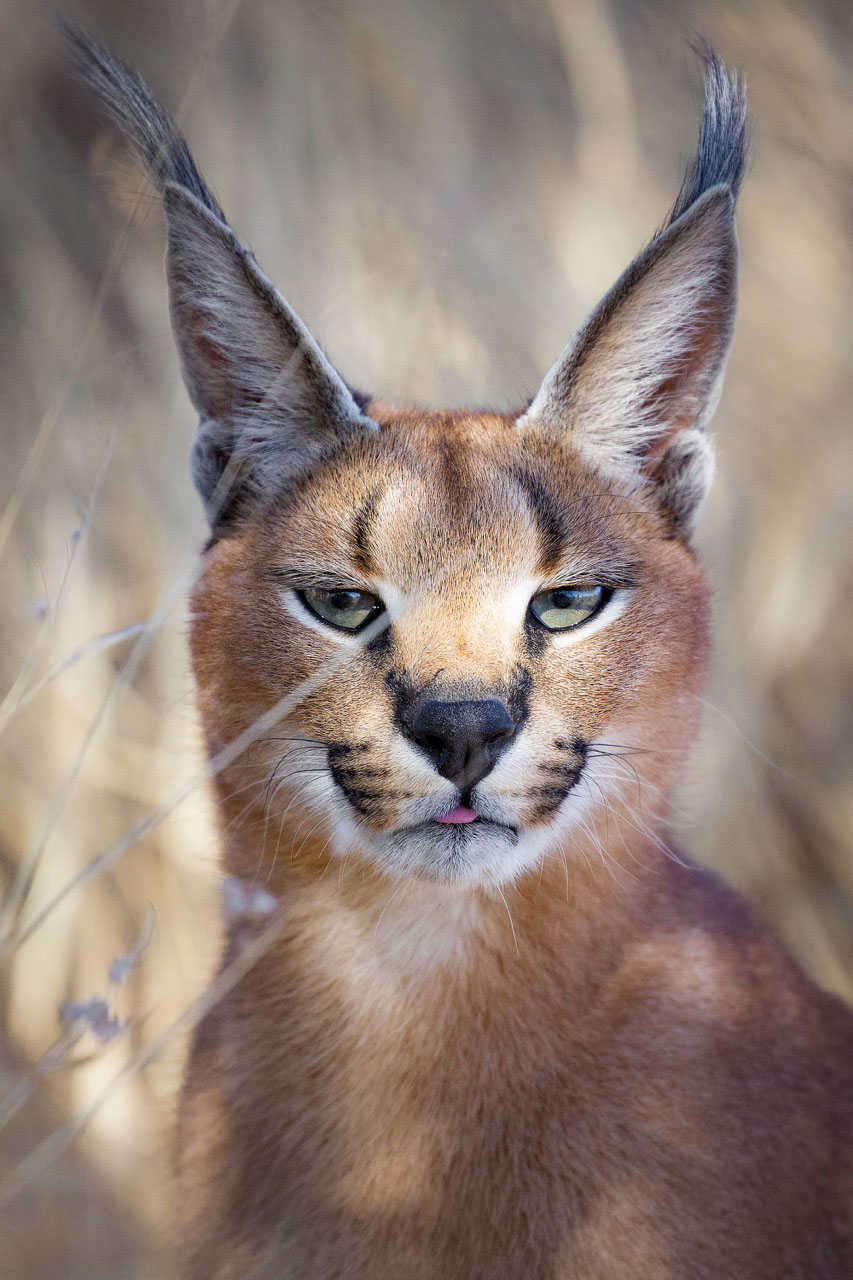 © ALVARO CUBERO
10. Many photographers focus on gear and camera settings, but in your opinion, what's the "secret ingredient" that consistently turns a good wildlife photograph into an unforgettable one?
Knowledge of the animal. Not the camera — the animal. When you understand behavior, you stop reacting and start anticipating. You know when the bird is about to take off, when the cubs are about to play, when the light and the action will intersect. The camera only captures the moment; the biology tells you when the moment is coming. That's the ingredient you can't buy in a store.
11. Do you have a personal technique or habit in the field that has significantly improved your wildlife photography — something that isn't often discussed in tutorials?
Staying with a subject long after most photographers would leave. When a sighting seems "over" — the animal lies down, the action stops — that's when many of my best images have happened. Animals relax when they get used to your presence, and relaxed animals show natural behavior. I also spend a lot of time watching without shooting. It sounds counterintuitive, but the hours I spend just observing are the reason I'm ready when the two seconds of magic finally happen.
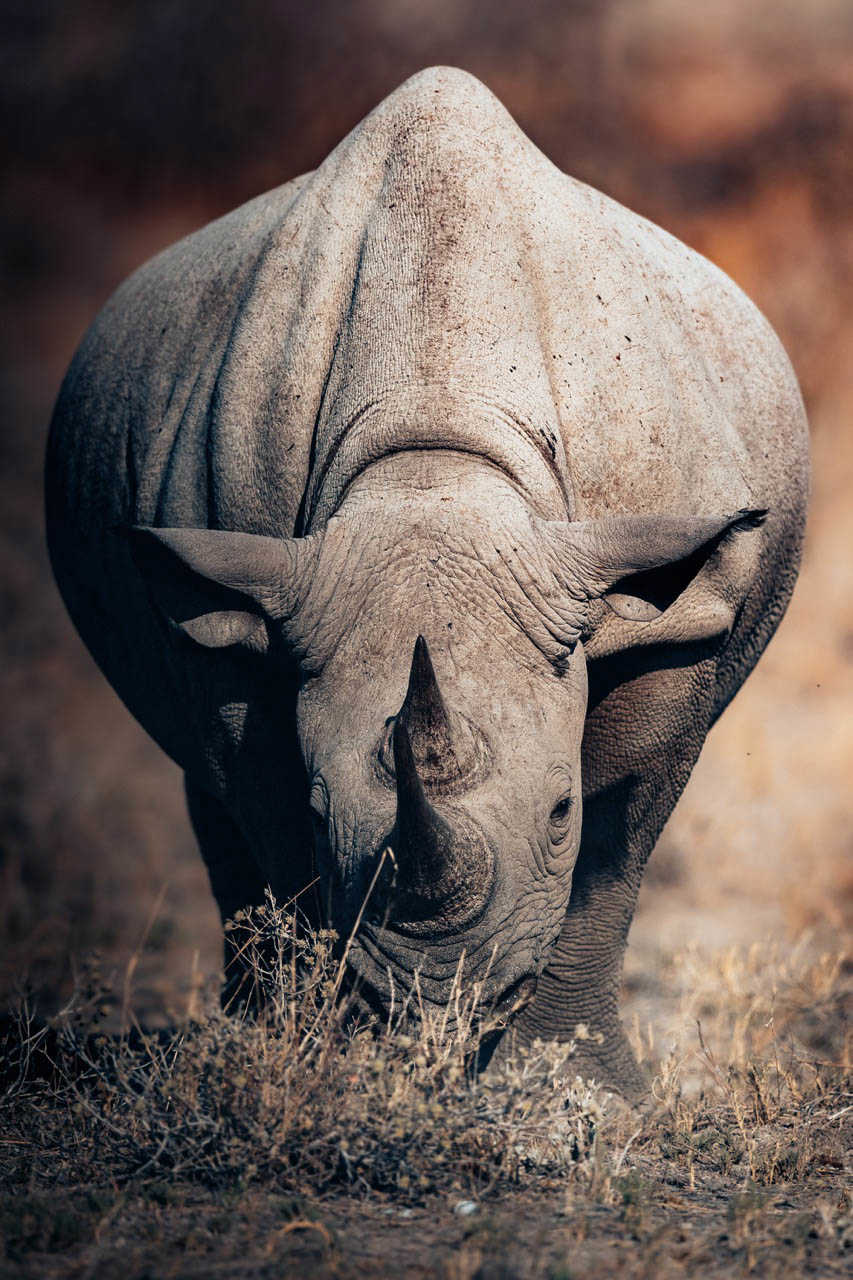 © ALVARO CUBERO
12. If you could share just one practical tip that photographers could apply on their very next wildlife outing to noticeably improve their results, what would it be?
Get low. Shoot at the animal's eye level or below whenever it's safe to do so. It's the single fastest way to transform your images — the background melts away, the animal gains presence and dignity, and the viewer connects with the subject as an equal rather than looking down at it. It costs nothing, and the difference is immediate.
13. Many photographers wonder whether entering photography contests is worth the effort. What value do you think competitions bring to photographers at different stages of their careers?
I think the value changes as you grow. For beginners, contests are a masterclass in editing your own work — choosing one image out of thousands forces you to think critically about what makes a photograph strong. For intermediate photographers, they provide honest, external feedback that friends and social media won't give you. And for professionals, recognition opens doors: assignments, exhibitions, and a platform to amplify conservation stories. But my advice is always the same — enter to learn and to share stories, not to feed the ego. If the award becomes the goal, you've lost the plot.
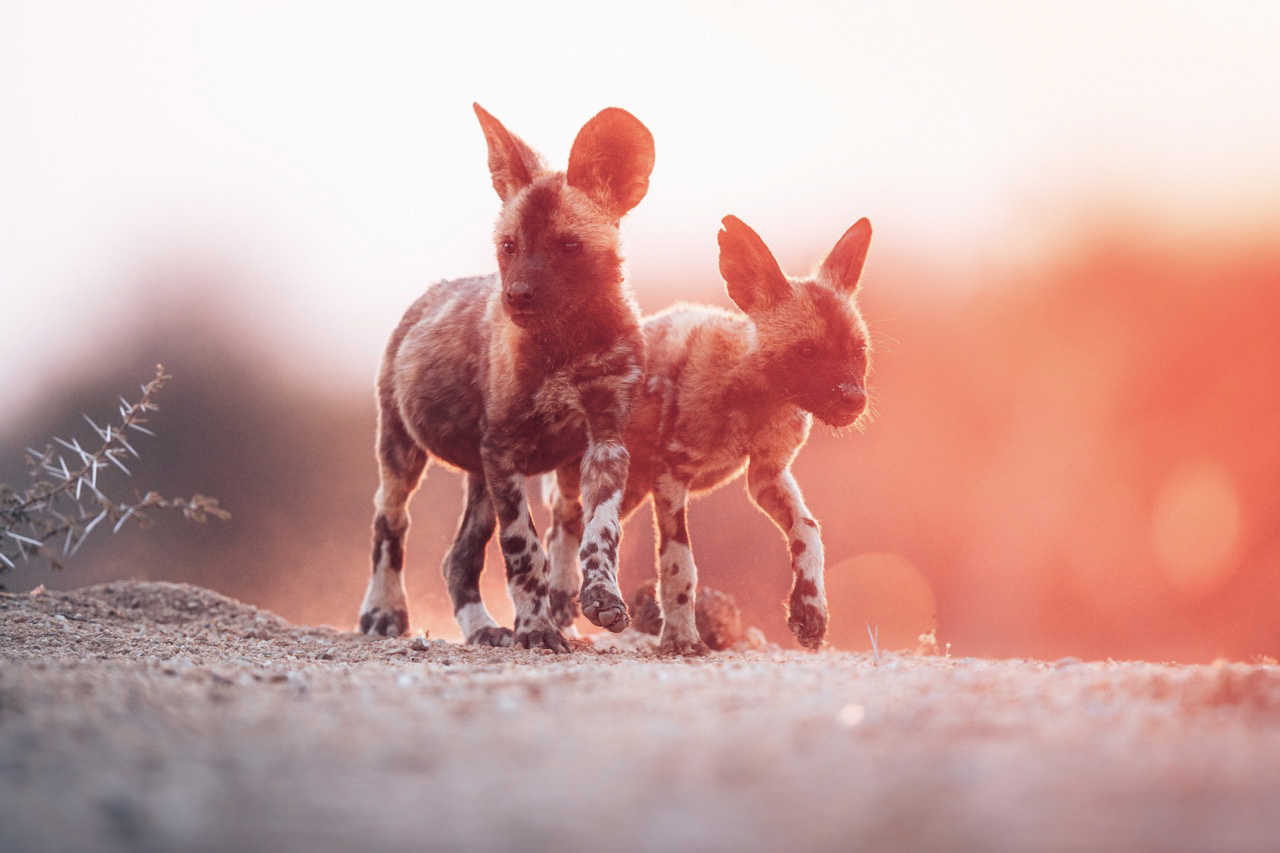 © ALVARO CUBERO
14. Having judged wildlife photography at TopPhotoAwards, what are the key elements you look for in a winning image, and what common mistakes should photographers avoid?
For me, a winning image needs three things: originality, narrative, and ethics. Technical perfection is now the entry ticket, not the differentiator — modern cameras have made sharp, well-exposed images easier than ever, so what separates a winner is a fresh perspective, an unexpected moment, or a behavior we haven't seen before. A familiar species photographed with a new vision will always beat a rare species photographed in a predictable way. And the story matters: the best images increase our understanding of the natural world, they don't just decorate it.
The most common mistakes I see: over-processing that strips the image of authenticity, copying compositions that have already won elsewhere, and — the one I take most seriously — any hint of unethical practice in how the image was obtained. No photograph is worth disturbing an animal. As judges, we can usually tell, and it's an immediate disqualifier in my book.
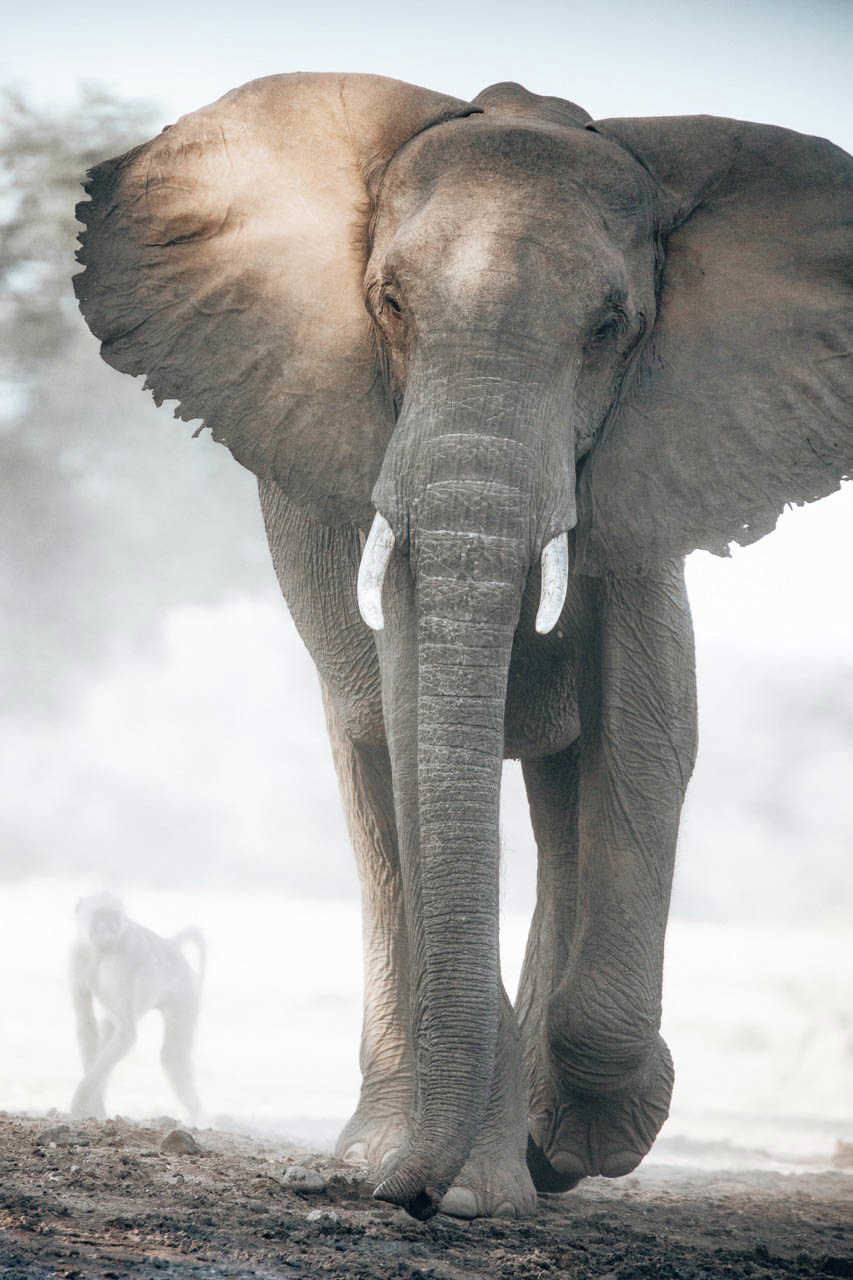 © ALVARO CUBERO
15. Looking ahead, what personal project or dream destination still excites you the most, and what story do you hope to tell through your camera that you haven't told yet?
The Kalahari. I'm currently planning a long personal expedition deep into the Kgalagadi and Botswana's remote pans to photograph the black-maned Kalahari lions — one of the most iconic and least photographed lion populations in Africa. It's a project that requires planning almost a year in advance, long days of self-sufficiency in the desert, and a lot of patience. The story I want to tell is about survival in one of the harshest ecosystems on Earth — how life not only endures there but thrives with a raw beauty you won't find anywhere else. After so many years photographing wildlife, it's the projects that scare me a little that excite me the most.
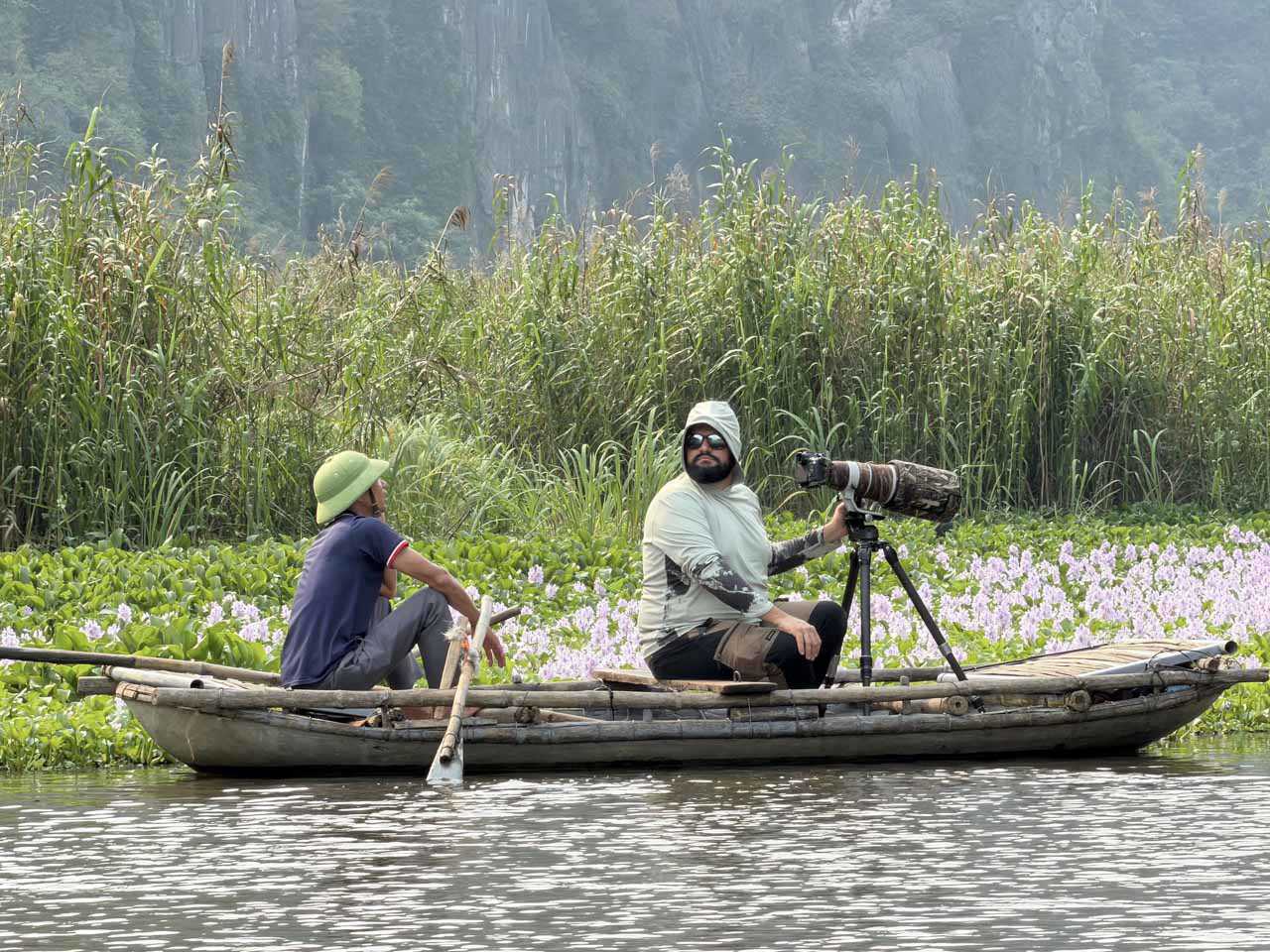 © ALVARO CUBERO
I'm still that kid exploring the riverbanks of Marañonal — only now the rivers are in Madagascar, Botswana, or Kenya, and I carry a camera. My hope is that my photographs inspire others to protect these places, so the next generation of curious kids still has wild rivers to explore.
Official website:
ALVAROCUBERO.COM
follow him on Instagram:
ALVAROWILDLIFEPHOTO
connect on Facebook:
ALVAROWILDLIFEPHOTO
and explore his TopPhotoAwards PROFILE