

Mirrorless cameras have become the preferred choice for millions of photographers around the world. They offer outstanding image quality, advanced autofocus, professional video capabilities, and interchangeable lenses — all while remaining significantly smaller and lighter than traditional DSLR systems.
For travel photographers, street photographers, hikers, and everyday creators, weight often becomes just as important as image quality. A camera that feels heavy after several hours of walking is more likely to stay inside the hotel room. A lightweight camera encourages photographers to carry it more often, and that usually leads to better photographs.
In 2026, lightweight mirrorless cameras are more capable than ever. Many include in-body image stabilization, AI-powered autofocus, high-resolution sensors, impressive video features, and strong low-light performance while still remaining easy to carry.
Here are some of the best lightweight mirrorless cameras in 2026 for travel, street, landscape, lifestyle, and everyday photography.
1. Fujifilm X-E5
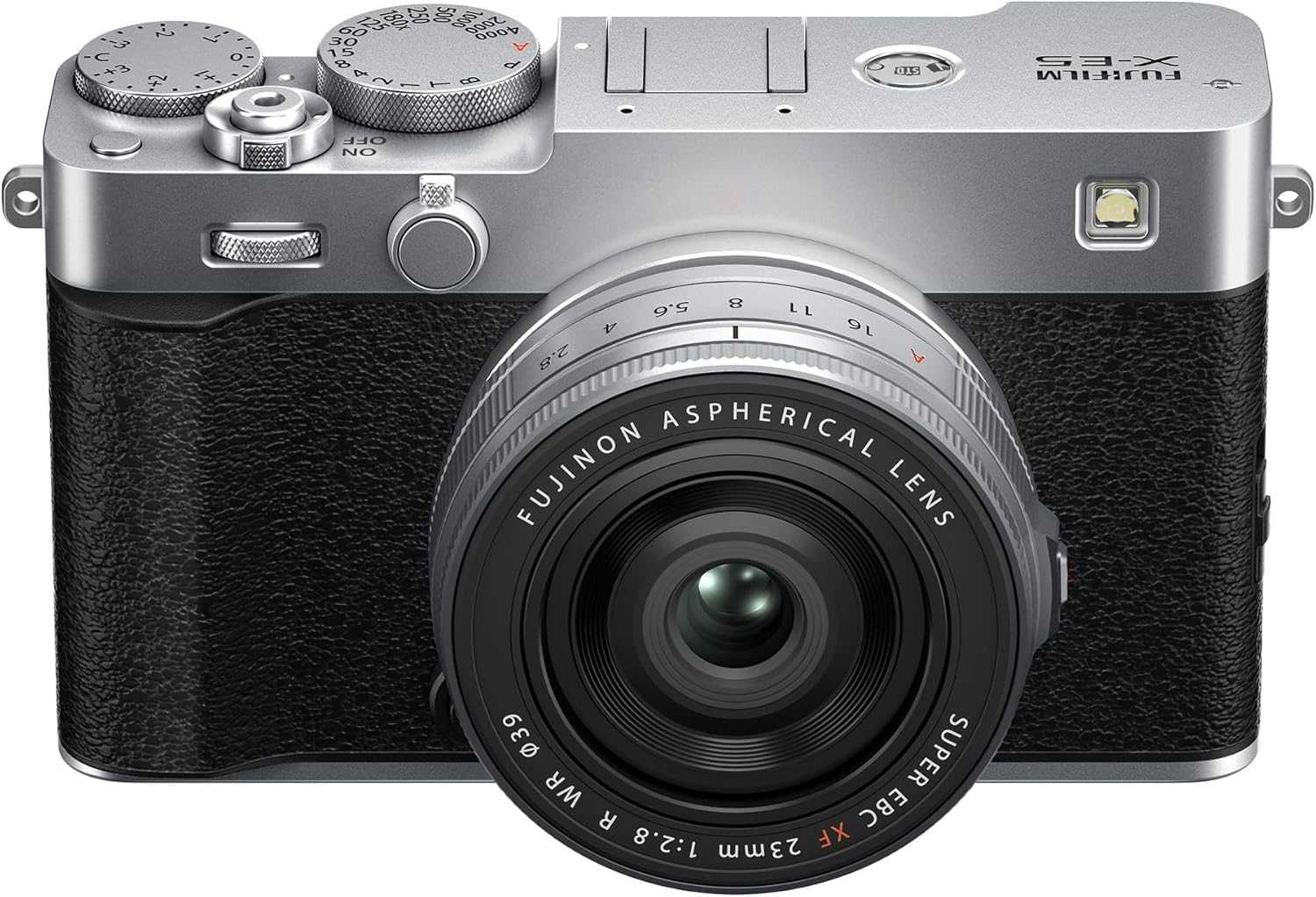
The Fujifilm X-E5 continues Fujifilm's tradition of creating beautifully designed cameras that combine classic styling with modern imaging technology. Built around a 40.2-megapixel APS-C X-Trans sensor, the X-E5 delivers exceptional detail while maintaining a compact body that easily fits into a small shoulder bag or travel backpack.
Unlike many modern cameras that rely heavily on touchscreen menus, the X-E5 embraces traditional photography controls. Dedicated dials and customizable controls make changing settings intuitive and enjoyable. Many photographers appreciate this tactile shooting experience because it allows them to focus on composition instead of navigating menus.
Street photographers have long favored Fujifilm's X-E series because of its discreet rangefinder-inspired design. Without the bulk of a DSLR or larger professional mirrorless body, the camera attracts less attention in public spaces. Combined with Fujifilm's compact prime lenses, it becomes an incredibly lightweight system capable of producing professional-quality images.
The latest autofocus system has improved significantly, recognizing people, animals, birds, vehicles, and other subjects with impressive accuracy. Eye detection works well for portraits, while continuous autofocus is fast enough for many travel, lifestyle, and documentary situations.
Another reason photographers love Fujifilm cameras is the company's famous Film Simulations. These profiles allow photographers to produce beautiful JPEG files directly from the camera while still offering excellent RAW files for editing. For many travel photographers, this can significantly reduce editing time.
2. Fujifilm X100VI
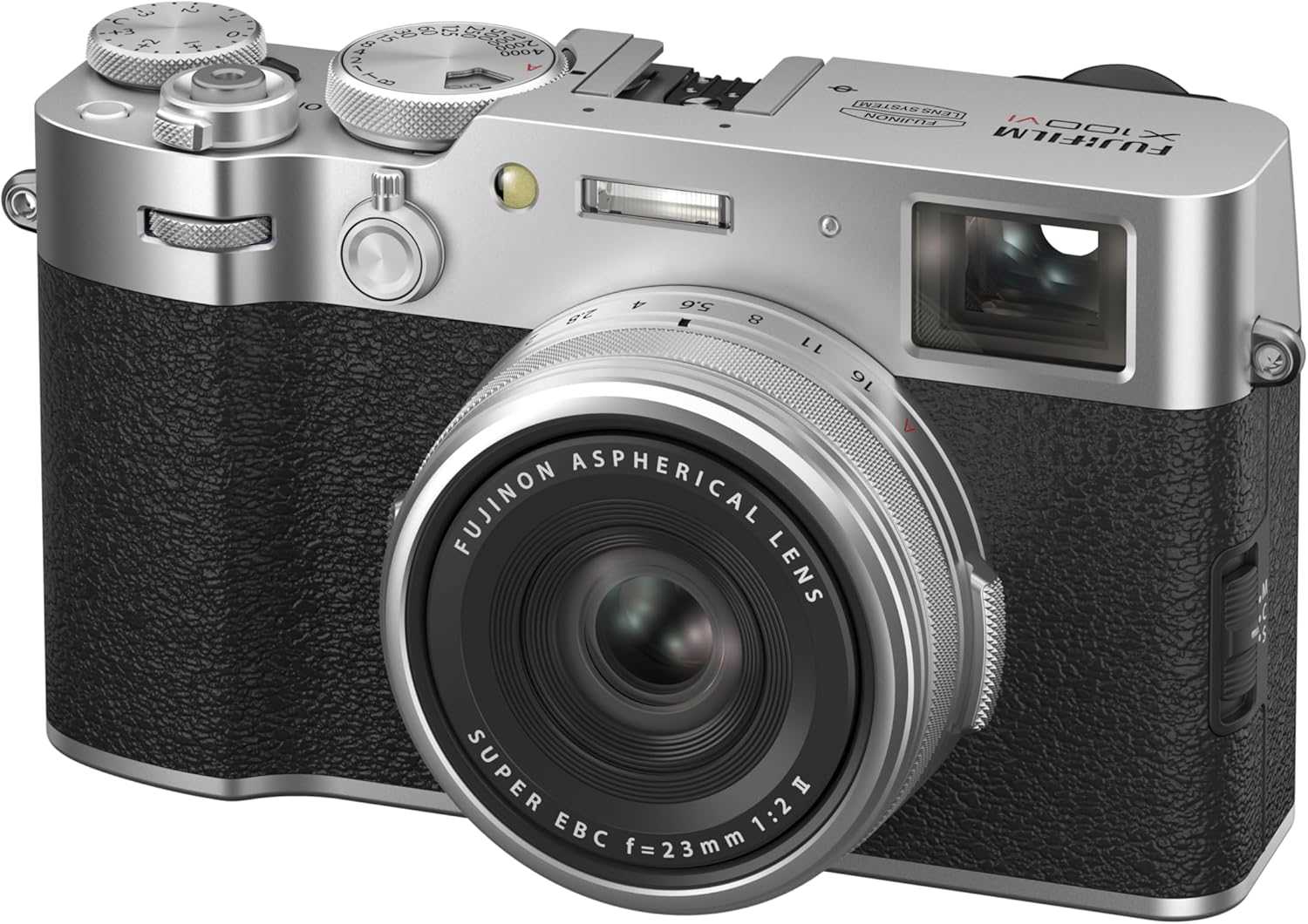
The Fujifilm X100VI proves that sometimes less really is more. Unlike interchangeable-lens cameras, it features a permanently attached 23mm f/2 lens, equivalent to 35mm on full frame. This encourages photographers to concentrate on composition, timing, and storytelling instead of constantly changing lenses.
This limitation has become one of the camera's greatest strengths. A fixed lens teaches photographers to move, anticipate moments, and simplify compositions rather than relying on zoom. For street and travel photography, this can be incredibly freeing.
Inside the elegant body is a high-resolution 40.2-megapixel APS-C sensor and in-body image stabilization, giving photographers excellent detail and handheld flexibility in a compact package.
The hybrid optical and electronic viewfinder remains one of the most unique features in the camera market. Photographers can switch between a classic optical finder and a modern electronic viewfinder that previews exposure, white balance, and Film Simulations before the image is taken.
The X100VI is especially popular among travel photographers, documentary photographers, and street photographers because it attracts very little attention. Many people simply assume it is an old film camera, allowing photographers to work more naturally in crowded environments.
3. Sony α6700
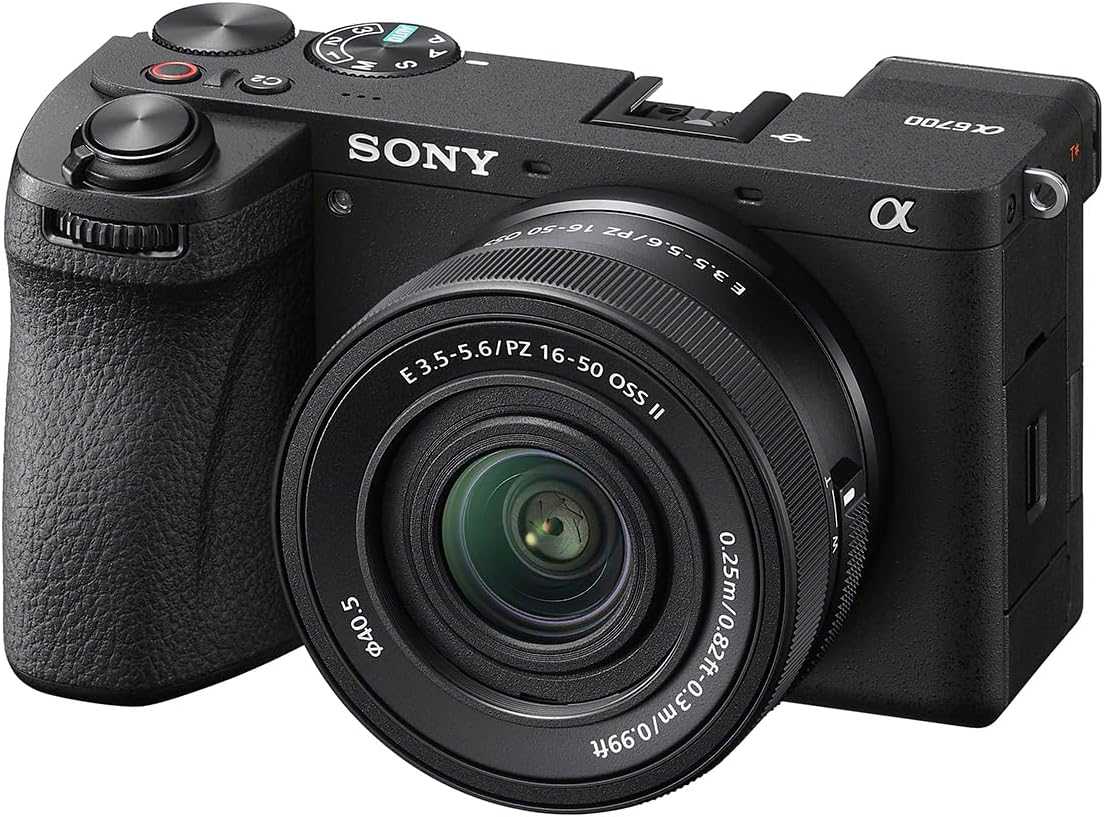
Sony's α6700 packs an impressive amount of technology into one of the most compact APS-C camera bodies available. Using technology inherited from Sony's professional Alpha lineup, it combines excellent autofocus, strong image quality, and advanced video features in a body that remains easy to carry.
One of the α6700's greatest strengths is its AI-powered autofocus system. The camera recognizes people, birds, animals, insects, trains, airplanes, and vehicles with remarkable accuracy. This makes it one of the most reliable choices for photographers who shoot moving subjects.
The APS-C sensor provides excellent dynamic range and low-light performance while keeping file sizes manageable. Combined with in-body image stabilization, photographers can confidently shoot handheld in challenging lighting conditions.
Sony's E-mount system is also a major advantage. Photographers have access to a huge selection of lightweight primes, compact zooms, and third-party lenses from brands like Sigma, Tamron, Samyang, and Viltrox. This makes it easy to build a lightweight travel kit without sacrificing flexibility.
Video creators will also appreciate the α6700. Its strong 4K video features, subject tracking, and compact body make it a serious hybrid camera for photographers who also create reels, YouTube videos, travel content, or client work.
4. Sony α7C II
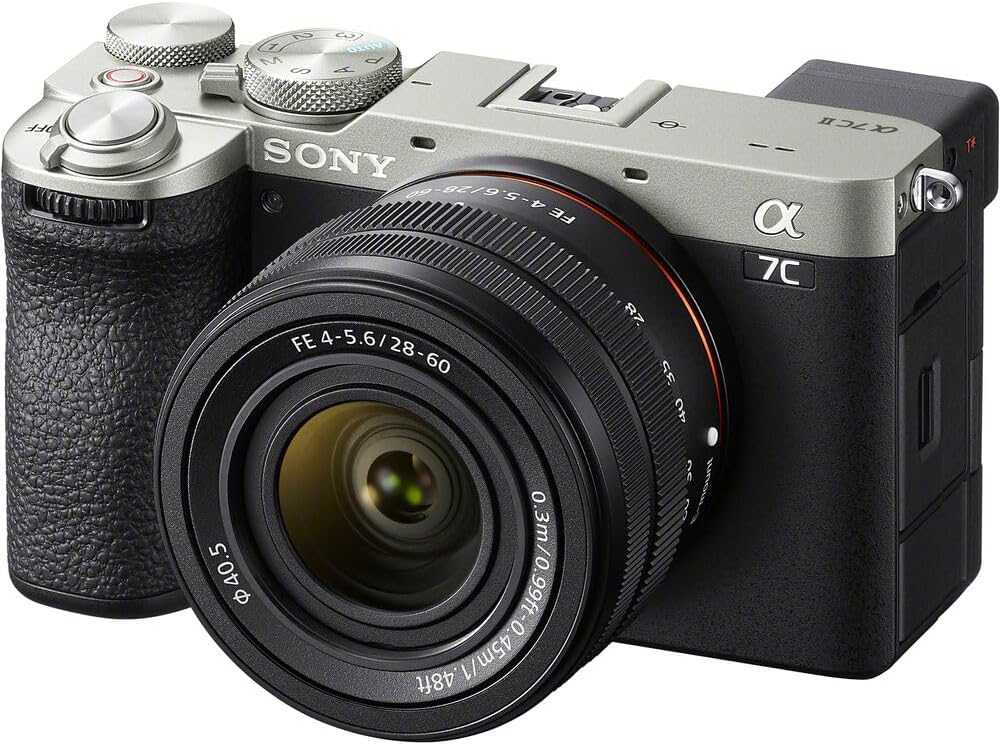
For photographers seeking full-frame image quality without carrying a full-size professional body, the Sony α7C II remains one of the strongest choices available. Despite housing a 33-megapixel full-frame sensor, it stays compact enough for travel, documentary, portrait, and wedding photographers who work on location.
Sony's autofocus system continues to set a very high standard. AI subject recognition accurately follows eyes, faces, animals, birds, and vehicles while maintaining sharp focus even in difficult lighting conditions.
Image quality is excellent. The full-frame sensor produces strong dynamic range, smooth tonal transitions, attractive background separation, and very good high ISO performance. Landscape photographers benefit from shadow and highlight recovery, while portrait photographers enjoy natural depth and detail.
Five-axis image stabilization helps photographers shoot handheld at slower shutter speeds, reducing the need for tripods during travel. This is especially useful when photographing interiors, evening street scenes, or low-light portraits.
Another major advantage is compatibility with Sony's enormous FE lens lineup. Compact primes such as the 40mm f/2.5 G or 24mm f/2.8 G create an incredibly lightweight full-frame travel setup capable of professional results.
5. Canon EOS R8
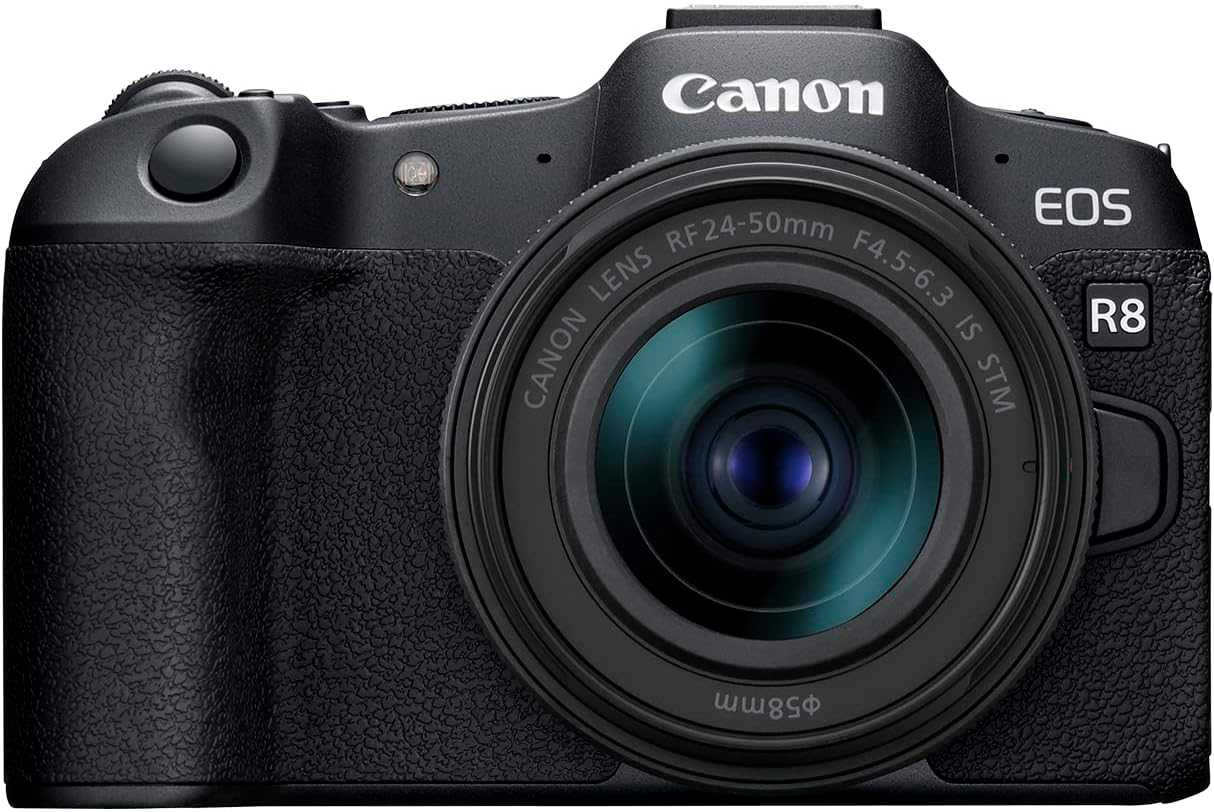
Canon surprised many photographers with the EOS R8 by proving that a full-frame camera does not have to be large or overly expensive. Weighing only around 461 grams, it is one of the lightest full-frame mirrorless cameras currently available.
Inside, the EOS R8 uses technology borrowed from Canon's higher-end cameras, including excellent Dual Pixel CMOS AF II autofocus. Subject recognition works very well for people, animals, and vehicles, making it reliable for both photography and video.
The 24.2-megapixel full-frame sensor offers excellent image quality with Canon's recognizable color reproduction. Portrait photographers often appreciate Canon skin tones, while travel and landscape photographers benefit from strong low-light performance and pleasing files straight out of camera.
Although the camera does not include in-body image stabilization, many Canon RF lenses feature effective optical stabilization. For photographers who prefer lightweight lenses and handheld shooting, this can still be a very practical setup.
The EOS R8 is also very approachable for photographers upgrading from older Canon DSLRs. Its familiar menu system, comfortable grip, responsive touchscreen, and strong autofocus make the transition to mirrorless feel natural.
For photographers wanting professional full-frame image quality in one of the lightest bodies available, the Canon EOS R8 delivers excellent value.
6. Nikon Z5 II
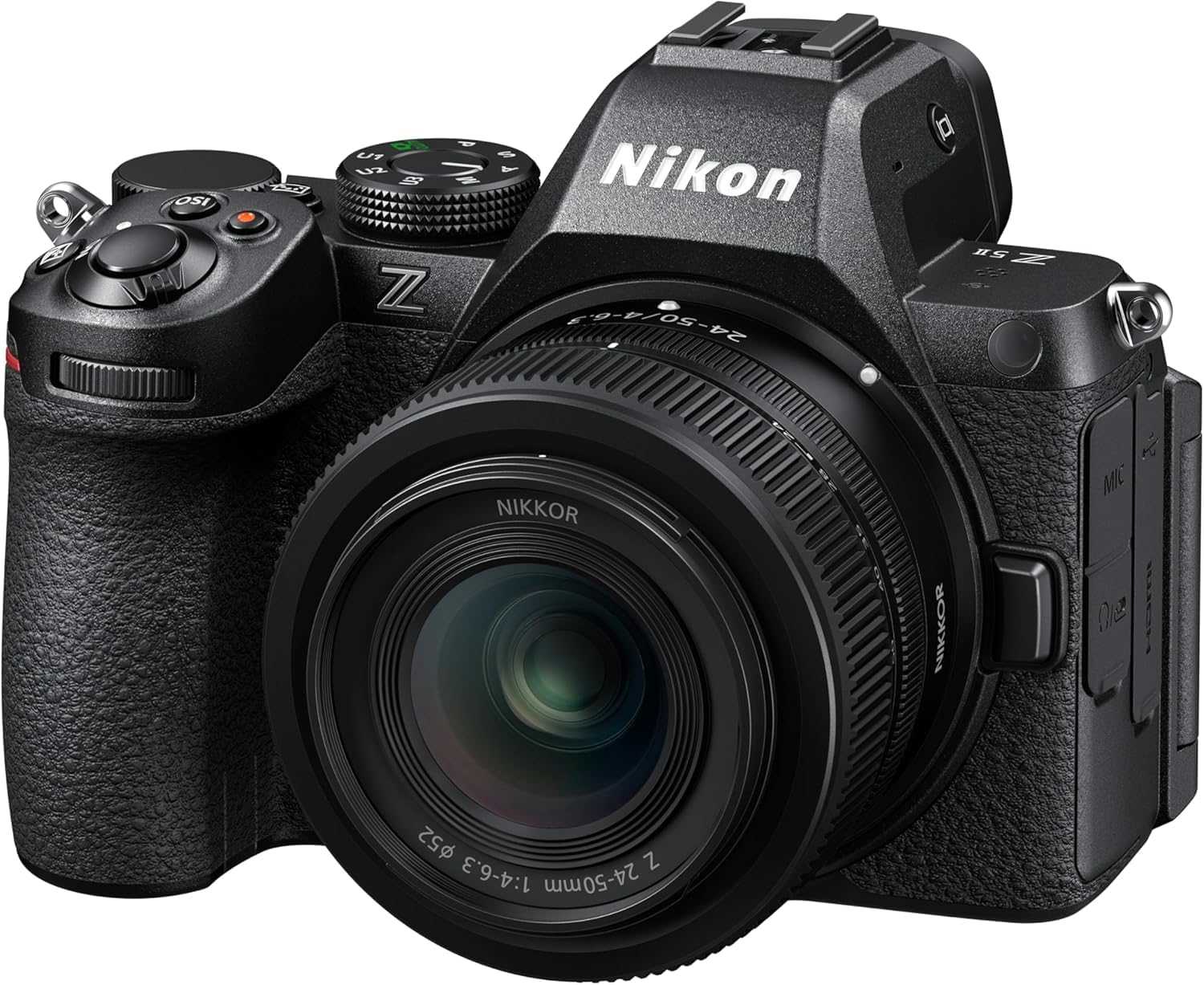
The Nikon Z5 II continues Nikon's reputation for building cameras that feel dependable, comfortable, and capable in almost every shooting situation. While it is not the lightest camera in this guide, it offers an excellent balance between portability, durability, and professional performance that many photographers appreciate.
Designed around a full-frame sensor, the Z5 II produces detailed photographs with excellent dynamic range and impressive low-light capabilities. Landscapes reveal subtle tonal transitions, portraits display beautiful skin tones, and travel photographs benefit from Nikon's natural color science.
One of the strongest aspects of the Z5 II is its ergonomics. Nikon has long been known for producing cameras that feel comfortable in the hand, and the Z5 II continues that tradition. The deep grip makes it easy to carry throughout an entire day, even when paired with larger lenses.
The improved autofocus system offers more reliable subject tracking and faster performance than earlier entry-level full-frame Nikon models. Combined with in-body image stabilization, photographers can confidently shoot handheld in situations where a tripod may not be practical.
The growing Nikon Z lens lineup is another advantage. Compact prime lenses such as the Z 28mm f/2.8 and Z 40mm f/2 create lightweight travel kits that are ideal for street photography, vacations, documentary work, and everyday use.
7. OM System OM-5
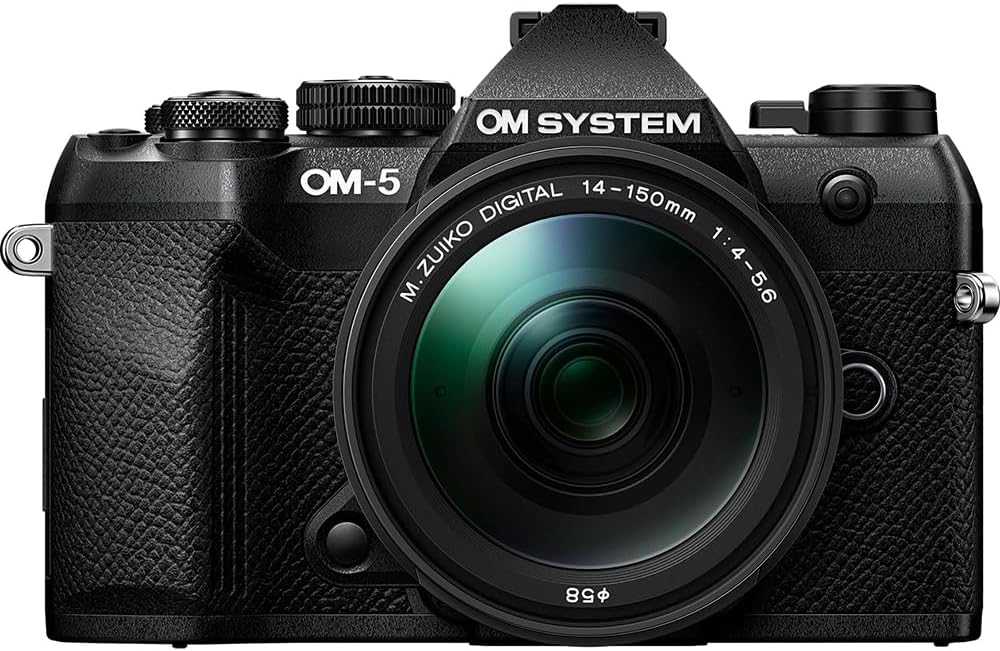
If minimizing weight is your highest priority, few cameras can compete with the OM System OM-5. Built around the Micro Four Thirds format, this compact camera offers features normally found in much larger professional bodies.
The smaller sensor size brings one major advantage that many photographers overlook: significantly smaller lenses. An entire OM System travel kit with several lenses can weigh less than a single full-frame body with one professional zoom lens. For hikers, backpackers, wildlife photographers, and outdoor adventurers, that difference becomes incredibly important.
The OM-5 is also one of the toughest cameras in its class. Its weather-sealed body is designed to handle rain, dust, snow, and freezing temperatures, making it an excellent companion for landscape photographers who regularly work in unpredictable conditions.
Image stabilization is one of the camera's biggest strengths. OM System continues to lead the industry in handheld stabilization performance, allowing photographers to capture sharp images at shutter speeds that would normally require a tripod.
The camera also includes creative computational photography modes such as Live ND, High Resolution Shot, Focus Stacking, and Live Composite. These tools make advanced techniques easier to use in the field without carrying extra accessories.
8. Panasonic Lumix S9
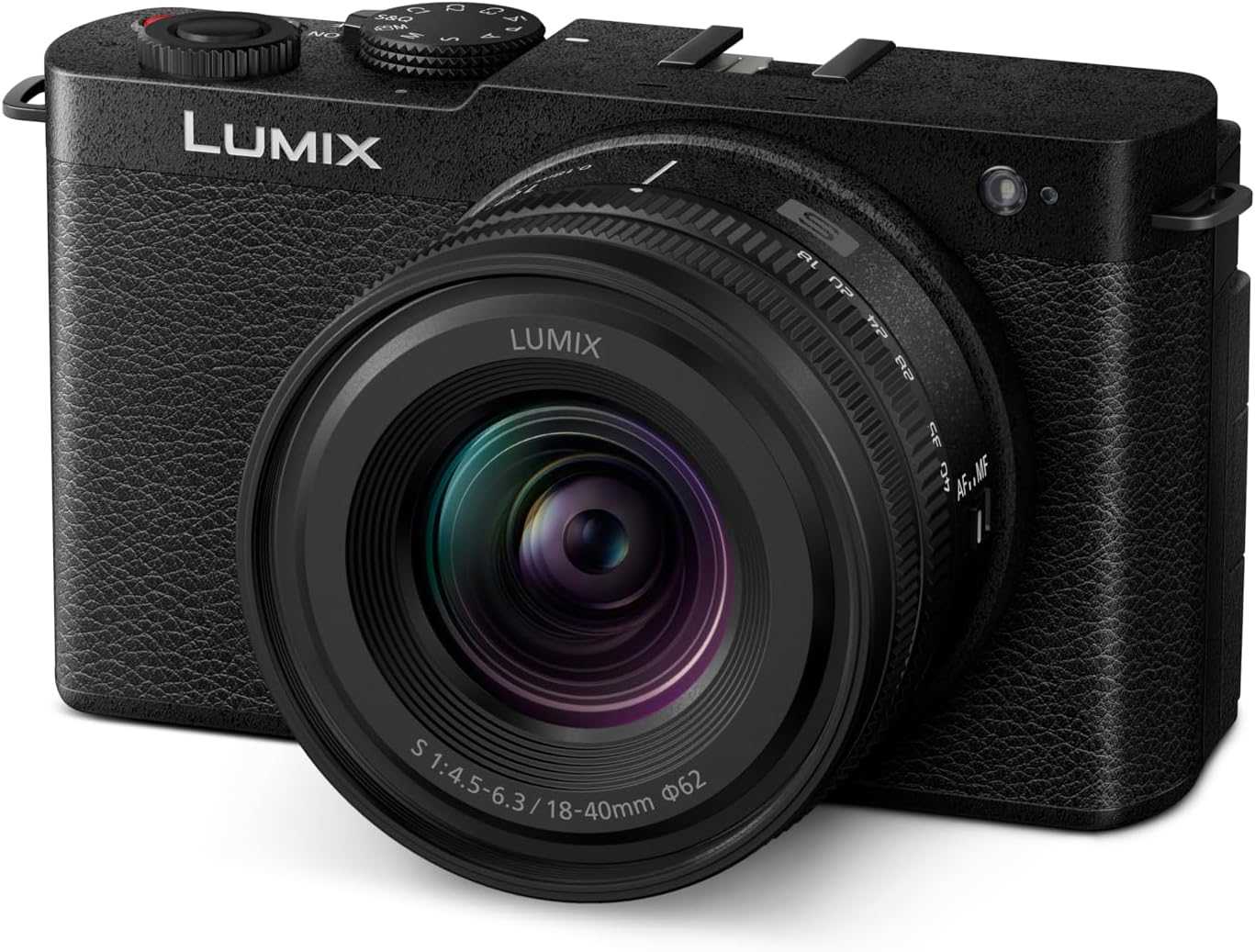
The Panasonic Lumix S9 represents Panasonic's vision of what a modern travel camera should be. Compact, stylish, and surprisingly powerful, it delivers full-frame image quality in a body designed for photographers and content creators who are constantly on the move.
Unlike many professional cameras that prioritize extensive physical controls, the Lumix S9 focuses on simplicity without sacrificing creative flexibility. The clean design makes it approachable for beginners while still providing the image quality experienced photographers expect from a full-frame sensor.
Color reproduction is one of Panasonic's greatest strengths. Landscapes, portraits, and travel scenes display vibrant yet natural colors that require very little editing. Combined with strong dynamic range, photographers can recover impressive detail from both highlights and shadows.
Video creators will also appreciate Panasonic's experience in filmmaking. Advanced recording options, reliable stabilization, and professional color profiles make the S9 equally capable for still photography and video production.
The L-Mount lens ecosystem continues to grow through Panasonic, Leica, and Sigma. Many compact prime lenses are now available, making it possible to build a lightweight full-frame travel system that remains comfortable to carry throughout an entire trip.
9. Leica Q3
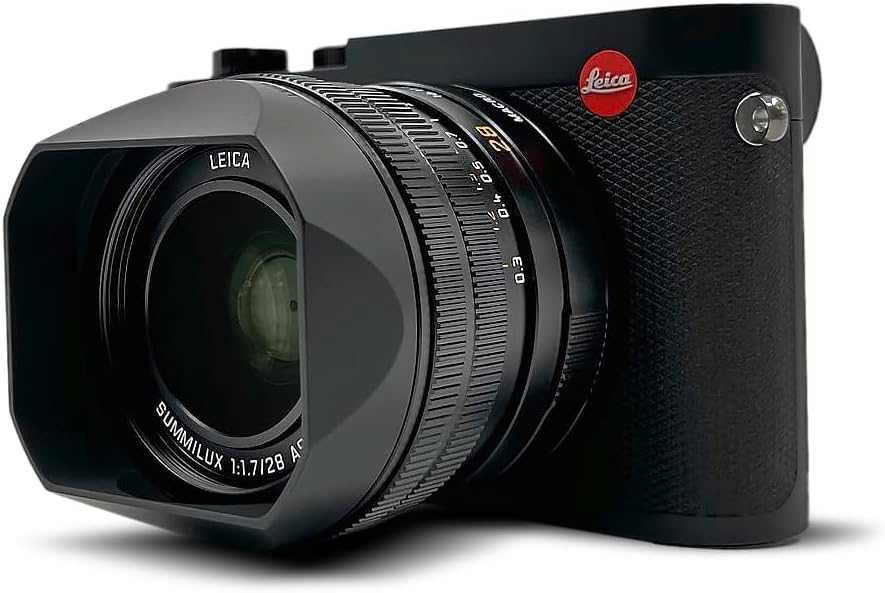
The Leica Q3 occupies a unique position in the photography world. It is not an interchangeable-lens system or a typical entry-level travel camera. Instead, it offers one carefully designed combination: a high-resolution full-frame sensor paired permanently with Leica's legendary Summilux 28mm f/1.7 lens.
This simplicity is precisely what attracts so many photographers. Rather than spending time deciding which lens to use, the Q3 encourages photographers to concentrate entirely on storytelling, composition, light, and timing.
Image quality is exceptional. The full-frame sensor captures extraordinary detail while maintaining beautiful tonal transitions and excellent dynamic range. Combined with Leica optics, photographs display remarkable sharpness, natural colors, and attractive rendering.
Despite its premium construction, the Q3 remains relatively compact compared to professional interchangeable-lens systems. The weather-sealed body feels incredibly solid while maintaining the elegant minimalist styling Leica is known for.
The Leica Q3 is certainly an investment, but for photographers seeking uncompromising image quality in a beautifully crafted camera that inspires creativity, it remains one of the finest travel cameras available.
10. Leica D-Lux 8
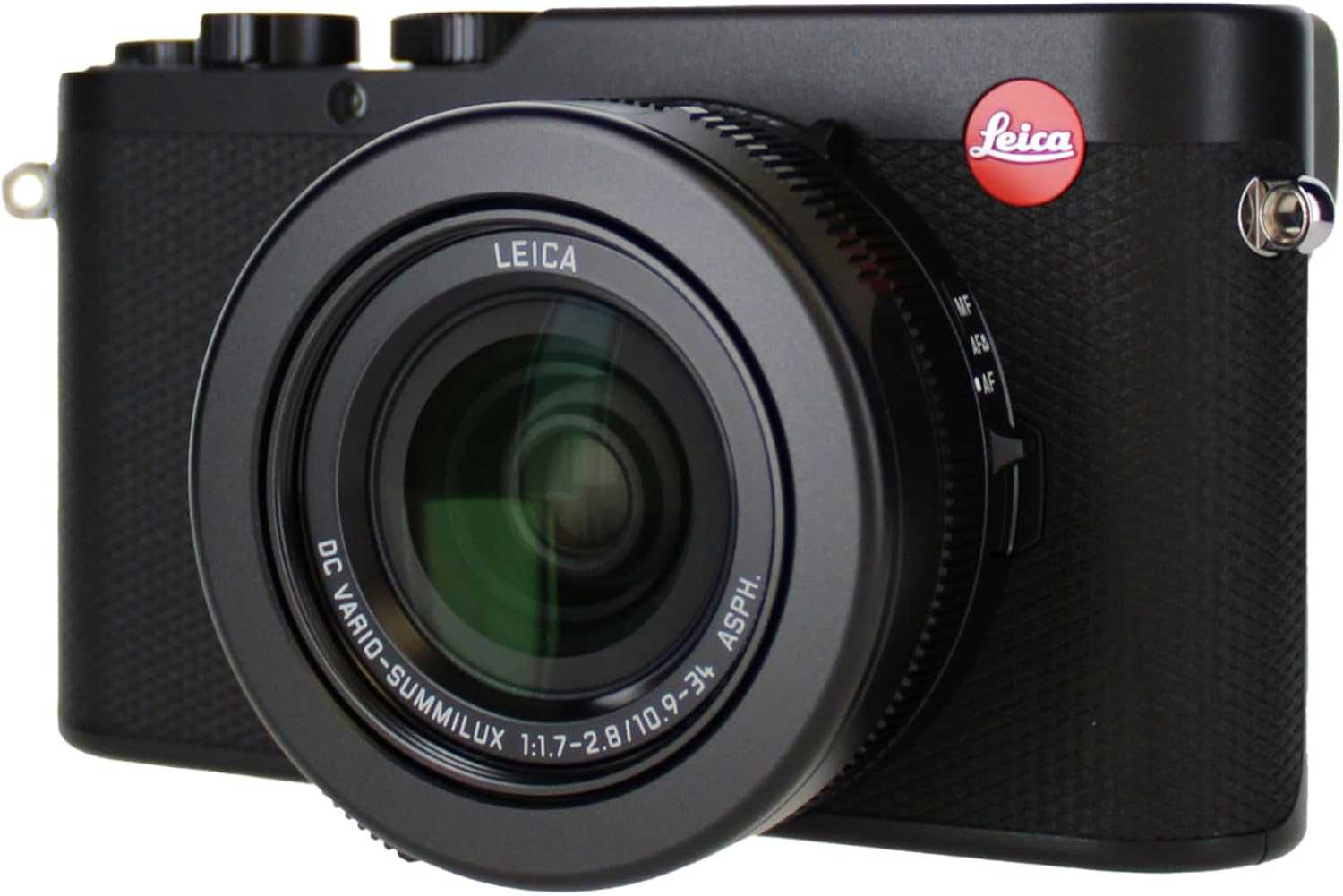
The Leica D-Lux 8 demonstrates that excellent photography does not always require carrying large cameras or heavy lenses. Compact enough to fit inside a jacket pocket, it offers image quality beyond most smartphones while remaining incredibly convenient for everyday use.
The camera combines Leica's elegant design with intuitive controls, making photography enjoyable for beginners and experienced photographers alike. Physical exposure controls encourage creativity while maintaining the simplicity expected from a compact camera.
Its bright zoom lens provides flexibility for travel photography, allowing photographers to move easily between wide landscapes, environmental portraits, and close-up details without changing lenses.
Although it uses a smaller sensor than the full-frame cameras in this guide, Leica's image processing produces excellent color reproduction and pleasing contrast. JPEG files often require minimal editing, making the camera attractive for photographers who prefer spending more time shooting than processing images afterward.
One of the D-Lux 8's greatest strengths is that it disappears into everyday life. It can easily accompany photographers everywhere, ensuring they always have a capable camera available whenever an interesting moment appears.
Lightweight Mirrorless Camera Comparison Table
| Camera | Weight | Sensor | Best For |
|---|---|---|---|
| Fujifilm X-E5 | 445 g | 40.2 MP APS-C | Street photography, travel, documentary, everyday photography |
| Fujifilm X100VI | 521 g | 40.2 MP APS-C | Travel, street, documentary, everyday photography |
| Sony α6700 | 493 g | 26 MP APS-C | Wildlife, sports, travel, hybrid creators |
| Sony α7C II | 514 g | 33 MP Full Frame | Travel, portraits, weddings, landscapes |
| Canon EOS R8 | 461 g | 24.2 MP Full Frame | Portraits, travel, family photography |
| Nikon Z5 II | Approx. 700 g | Full Frame | Landscape, travel, nature, everyday photography |
| OM System OM-5 | 414 g | 20.4 MP Micro Four Thirds | Hiking, wildlife, travel, outdoor adventures |
| Panasonic Lumix S9 | 486 g | 24.2 MP Full Frame | Travel, content creation, lifestyle, video |
| Leica Q3 | 743 g | 60 MP Full Frame | Street, documentary, luxury travel photography |
| Leica D-Lux 8 | 403 g | 21 MP Four Thirds | Everyday carry, vacations, travel, lifestyle |
Which Camera Is Right for You?
Every camera in this list is capable of producing excellent images, but each one is best suited for a different type of photographer.
If you love street photography, the Fujifilm X-E5 and Fujifilm X100VI remain outstanding choices thanks to their compact size, discreet design, and enjoyable shooting experience.
Photographers looking for the lightest interchangeable-lens system should strongly consider the OM System OM-5, especially if hiking, outdoor work, and compact lenses are priorities.
If full-frame image quality matters most, the Sony α7C II and Canon EOS R8 offer excellent performance while remaining impressively compact. Hybrid creators who shoot both photos and video may prefer the Sony α6700 or Panasonic Lumix S9.
For photographers who want a premium travel camera and are comfortable investing more, the Leica Q3 offers one of the most refined shooting experiences available. The Leica D-Lux 8, meanwhile, is ideal for photographers who want something elegant, compact, and easy to carry everywhere.
The best lightweight mirrorless camera is ultimately the one you will actually carry. A camera that stays with you will always capture more meaningful images than a technically superior camera left behind because it feels too heavy.
Frequently Asked Questions
Is a mirrorless camera better than a DSLR for travel?
For most photographers, yes. Mirrorless cameras are generally smaller, lighter, and more advanced than older DSLR systems. They offer modern autofocus, electronic viewfinders, strong video features, and excellent image quality in compact bodies.
What is the lightest full-frame mirrorless camera?
Among the cameras in this guide, the Canon EOS R8 is one of the lightest full-frame mirrorless cameras currently available. It offers full-frame image quality in a body that is lighter than many APS-C cameras.
Are APS-C cameras good enough for professional photography?
Yes. Modern APS-C cameras are used by many professional photographers for travel, weddings, street photography, wildlife, journalism, and commercial work. They offer excellent image quality while keeping camera bodies and lenses smaller.
Should beginners buy full-frame cameras?
Not always. Full-frame cameras are powerful, but APS-C and Micro Four Thirds systems are often lighter, more affordable, and easier to carry. Beginners should choose a camera based on budget, comfort, lens options, and the type of photography they want to do.
Lightweight cameras make photography more enjoyable. Whether you choose Fujifilm, Sony, Canon, Nikon, Panasonic, OM System, or Leica, the right camera should inspire you to shoot more often, explore new places, and capture better images.
Affiliate Disclosure: This article contains affiliate links. If you purchase a camera through one of these links, Top Photo Awards may earn a small commission at no additional cost to you. These commissions help support our photography contests, educational articles, and free resources for photographers around the world. We only recommend products that we believe offer excellent quality and value for photographers.