

Abhishek Basak is an award-winning Indian documentary, travel, and portrait photographer whose work celebrates people, traditions, and cultural heritage through powerful visual storytelling. His photographs have earned thousands of international awards, and he is widely recognized as a photography educator, workshop leader, international competition judge, and Top Photo Awards winner.
He known for work that brings together documentary photography, travel, portraiture, cultural heritage, and visual storytelling. His images often focus on people, traditions, festivals, and communities, preserving meaningful moments while presenting them with artistic sensitivity and respect.
Over the course of his career, Abhishek has received extensive international recognition, participated in photography competitions around the world, served as a judge, and shared his knowledge through workshops and masterclasses. His portrait The Konyak earned First Place in the Top Photo Awards Faces of Heritage: Ethnic Folk Portrait Contest.
In this interview with Top Photo Awards, Abhishek discusses the importance of trust in portrait photography, the lessons he has learned while documenting cultures, the value of competitions, his approach to editing, and the legacy he hopes to leave through his work.
1. Your work beautifully blends documentary, travel, and portrait photography. What first inspired you to pick up a camera, and when did you realize photography would become your profession?
My journey with photography began with a simple curiosity to understand people, places, and the emotions hidden within everyday life. I was fascinated by how a single frame could preserve a fleeting moment forever.
What started as a passion gradually became a lifelong pursuit as I travelled, documented diverse cultures, and connected with remarkable individuals. The turning point came when my images began receiving international recognition and, more importantly, resonated with people on a deeper level.
That was when I realized photography was no longer just my passion—it had become my purpose and my profession.
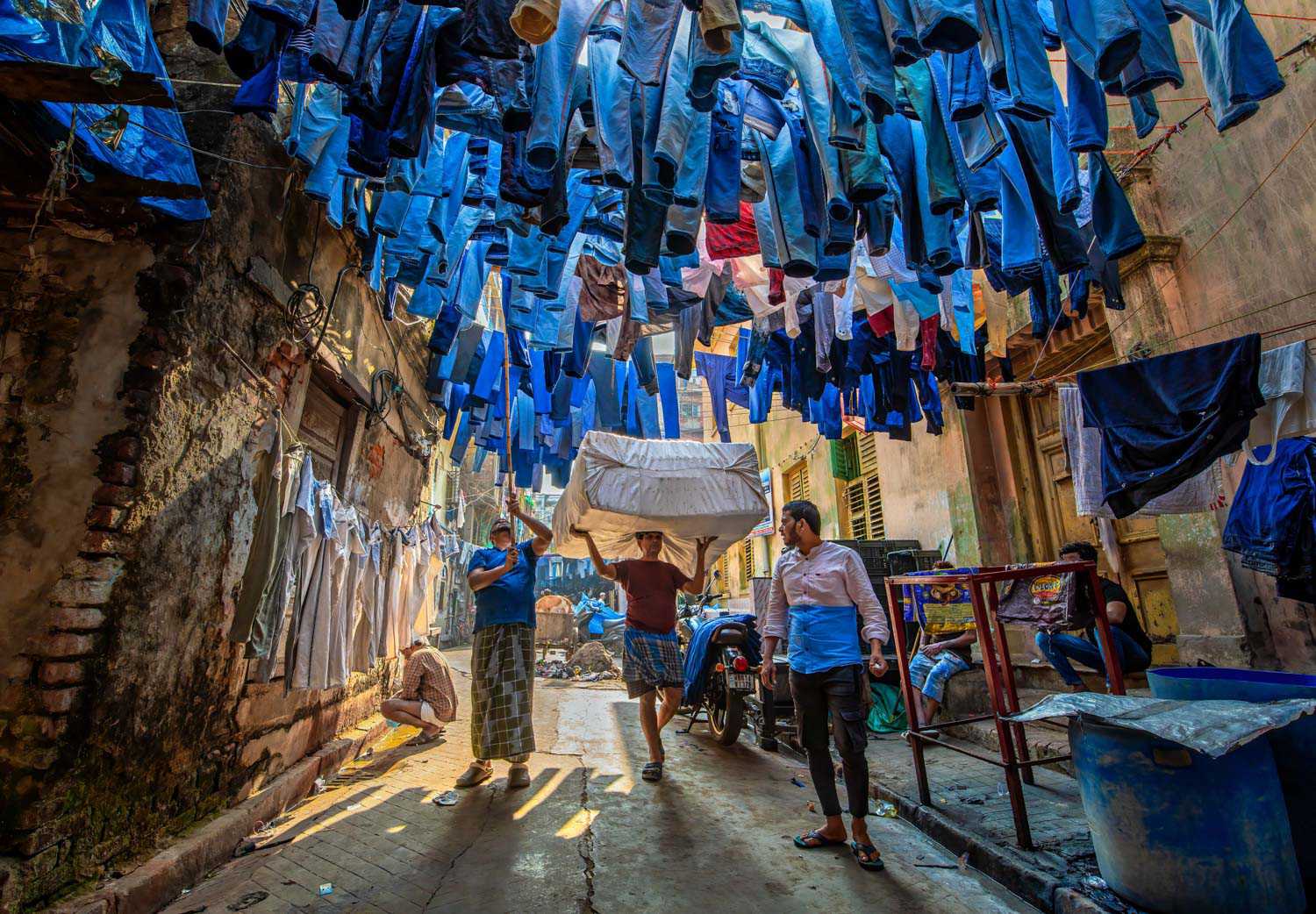
2. Many of your images celebrate people, traditions, and cultures. When you meet someone for the first time, how do you build trust quickly enough to capture such authentic and emotional portraits?
For me, every portrait begins with respect, not the camera. I take time to observe, greet people warmly, and engage in genuine conversation before raising the lens.
I try to understand their stories, culture, and daily life, allowing them to feel comfortable in my presence. Patience, empathy, and sincerity help build trust far more than technical skill.
Once people realize I am there to honour their lives rather than simply take a photograph, their true emotions emerge naturally. Those honest, unguarded moments are what transform a portrait into a meaningful visual story.
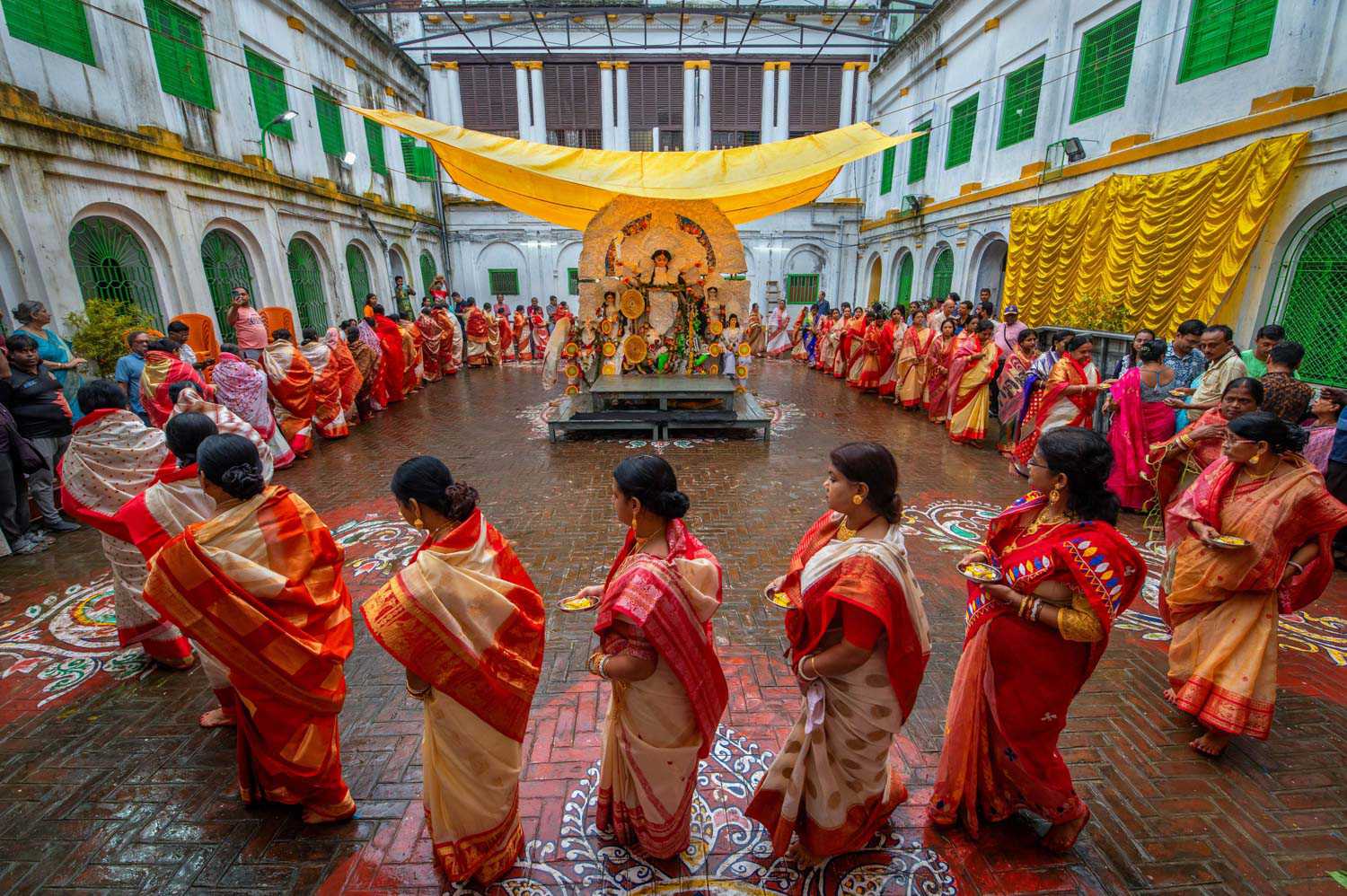
3. You've photographed festivals and communities across India and beyond. Is there one story or encounter that has stayed with you long after the photograph was taken?
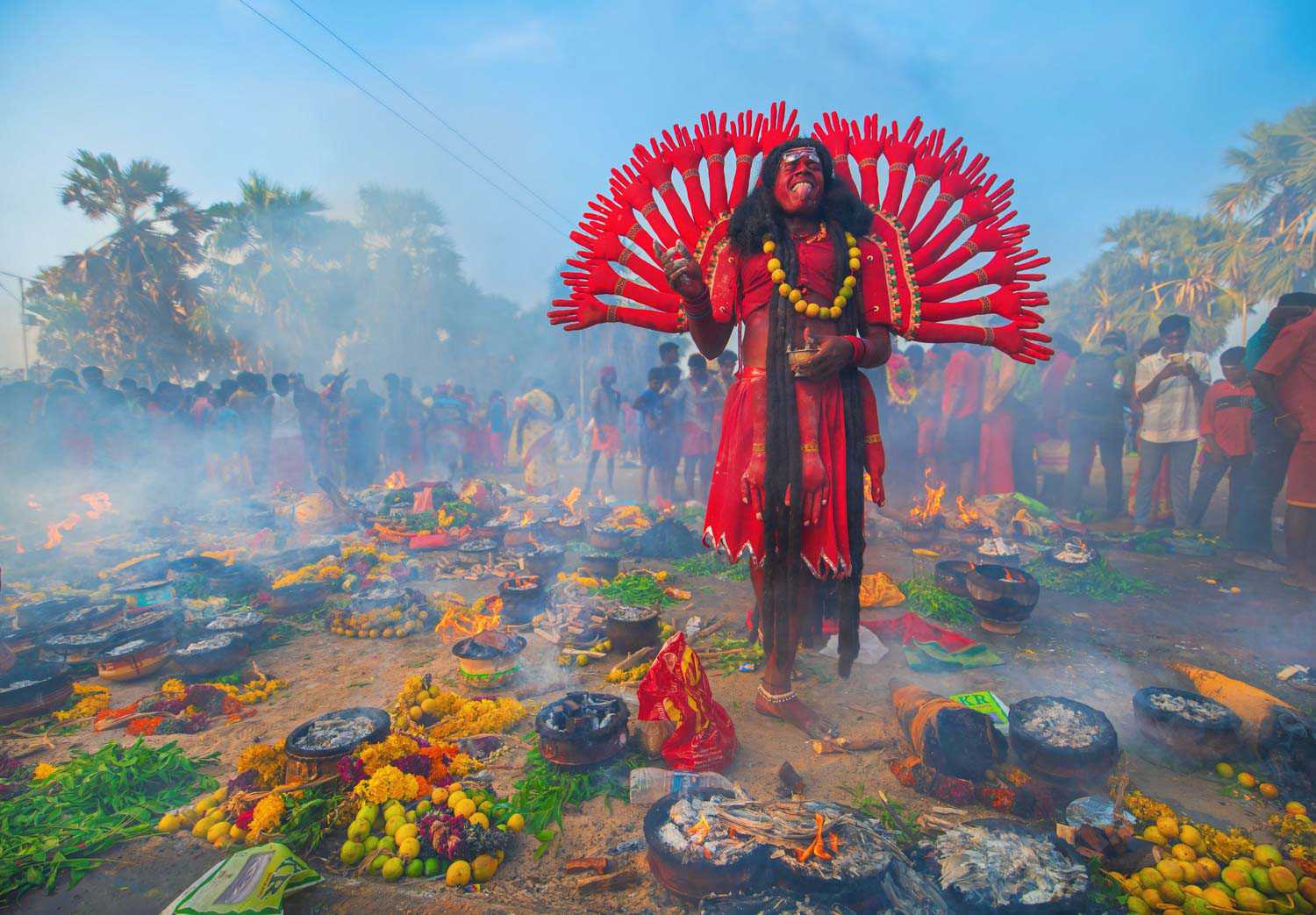
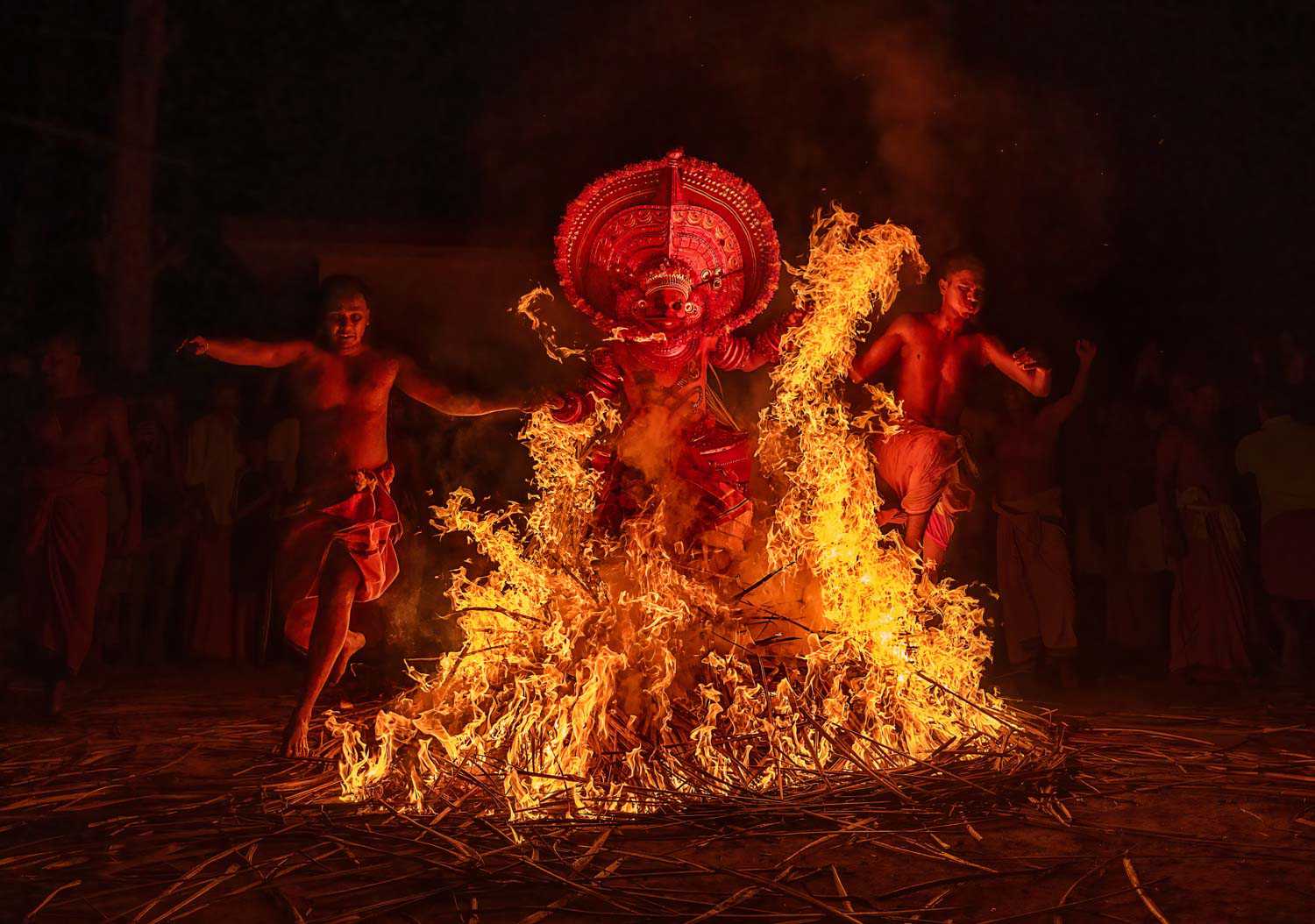
Among the many festivals and communities I have photographed, my first experience documenting Theyyam remains unforgettable. I was completely speechless.
For the first five to ten minutes, I didn't take a single photograph—I simply stood there in awe, absorbing the breathtaking performance, the incredible energy of the performers, and the vibrant, elaborate costumes.
It was a powerful reminder that photography begins with observation before pressing the shutter. That experience taught me to truly witness a moment before capturing it, and it continues to influence the way I approach every cultural story I document.
4. You've won thousands of awards and judged numerous international competitions. Has your perspective on photography changed over the years? What do you value in an image today that you might not have appreciated earlier in your career?
Absolutely. My perspective on photography has evolved significantly over the years. Early in my journey, I was more focused on technical perfection and composition.
While those elements remain important, I now value emotion, authenticity, and storytelling far more. As both a photographer and an international judge, I have realized that a truly memorable image is not always the most technically flawless—it is the one that creates an emotional connection and stays with the viewer.
Today, I look for honesty, depth, and purpose in every frame. A photograph that tells a meaningful story and evokes genuine emotion will always leave a lasting impression, regardless of its technical complexity.
5. Your photograph “The Konyak” won First Place in the Top Photo Awards Faces of Heritage: Ethnic Folk Portrait Contest. Could you share the story behind this portrait? How did you connect with your subject, and what makes this image especially meaningful to you?
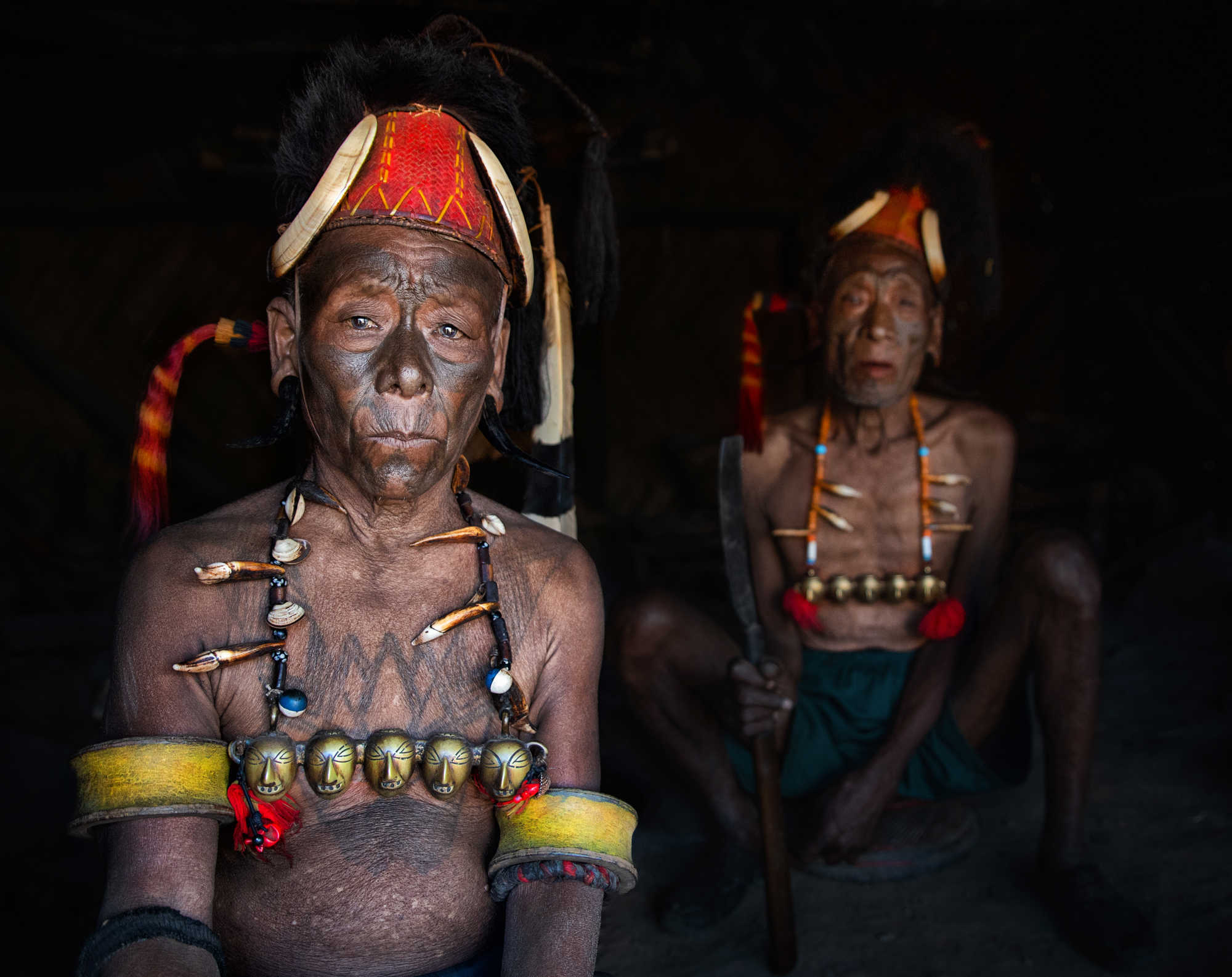
The Konyak holds a very special place in my heart. Whenever I photograph someone for the first time, I never begin by raising my camera. Instead, I spend time talking, listening, and building a genuine connection.
Unless the subject feels comfortable in front of the camera, it is impossible to capture authentic emotion. That approach helped me create this portrait naturally and honestly.
This image is especially meaningful because the real Konyak headhunters are now very few in number, making their stories an invaluable part of our living heritage.
Winning First Place in the Faces of Heritage: Ethnic Folk Portrait Contest was an incredible honour, but preserving this remarkable legacy through a single portrait is an even greater reward.
6. Photography competitions can open new opportunities, but many photographers still hesitate to enter them. Based on your own experience—and after winning First Place at Top Photo Awards—what would you say to someone who is unsure whether entering photography contests is worth it?
Photography competitions are far more than a pursuit of awards—they are opportunities to grow, challenge yourself, and have your work seen by a wider audience. Winning First Place at Top Photo Awards reaffirmed that a single photograph can travel farther than we imagine.
To anyone hesitant about entering contests, I would simply say: don't wait for the "perfect" image. Every competition teaches something, whether through recognition, feedback, or reflection. Believe in your vision, submit your work with confidence, and let each experience shape you into a stronger, more thoughtful photographer.
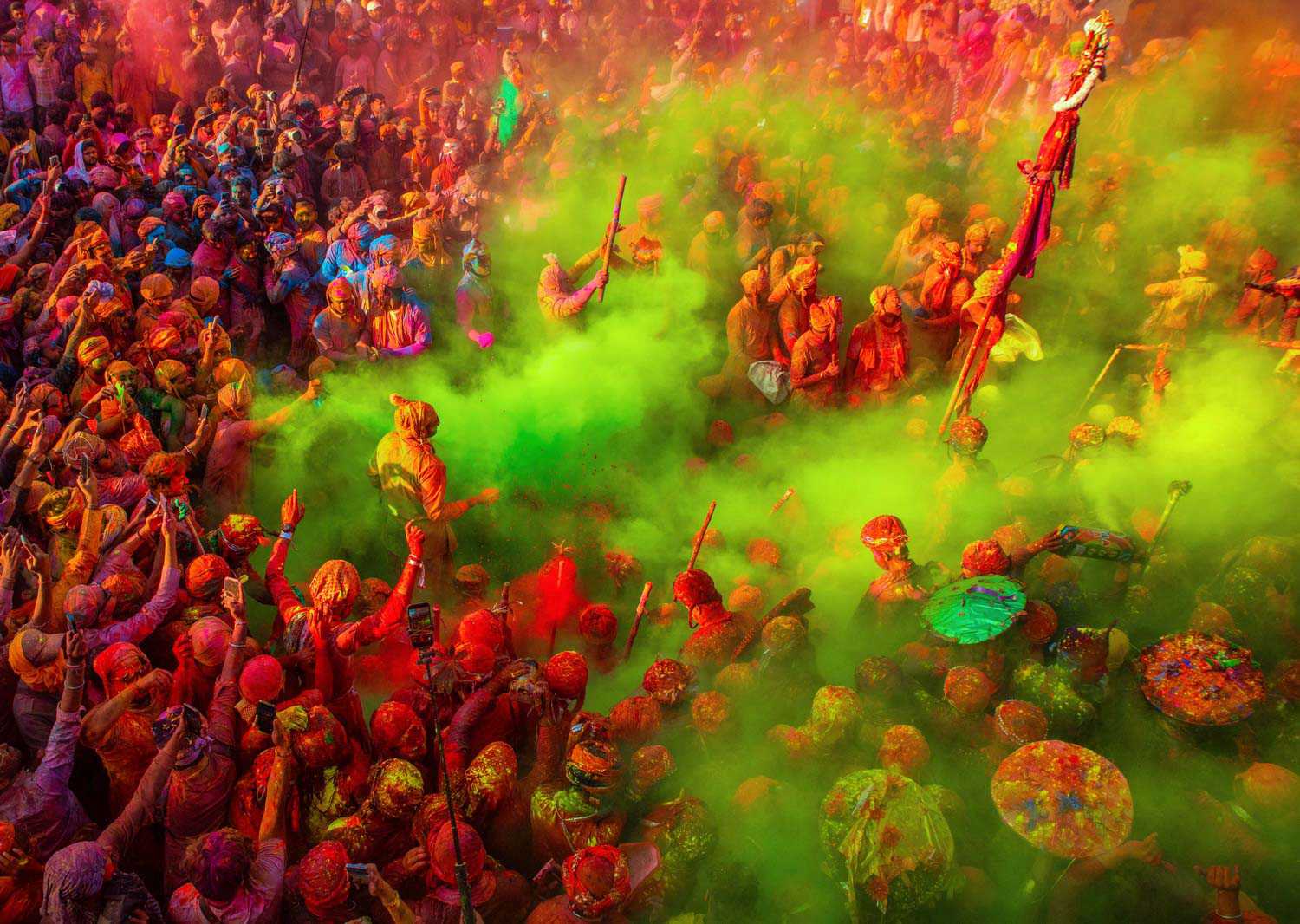
7. You also teach photography and post-processing through workshops and masterclasses. What are the three most common editing mistakes photographers make, and what simple changes can instantly improve an image?
Teaching photography has shown me that the most common editing mistakes are often the simplest ones.
First, many photographers over-edit their images with excessive saturation, contrast, or sharpening, causing the photograph to lose its natural feel.
Second, they tend to ignore the importance of cropping and composition during post-processing, even though a thoughtful crop can dramatically strengthen a frame.
Third, many rely too heavily on AI tools instead of developing their own visual judgment and artistic style.
My advice is simple: keep your edits subtle, preserve natural colours and tones, refine the composition carefully, and let the story remain the heart of the photograph. A clean, honest edit will always have a greater impact than an over-processed one.
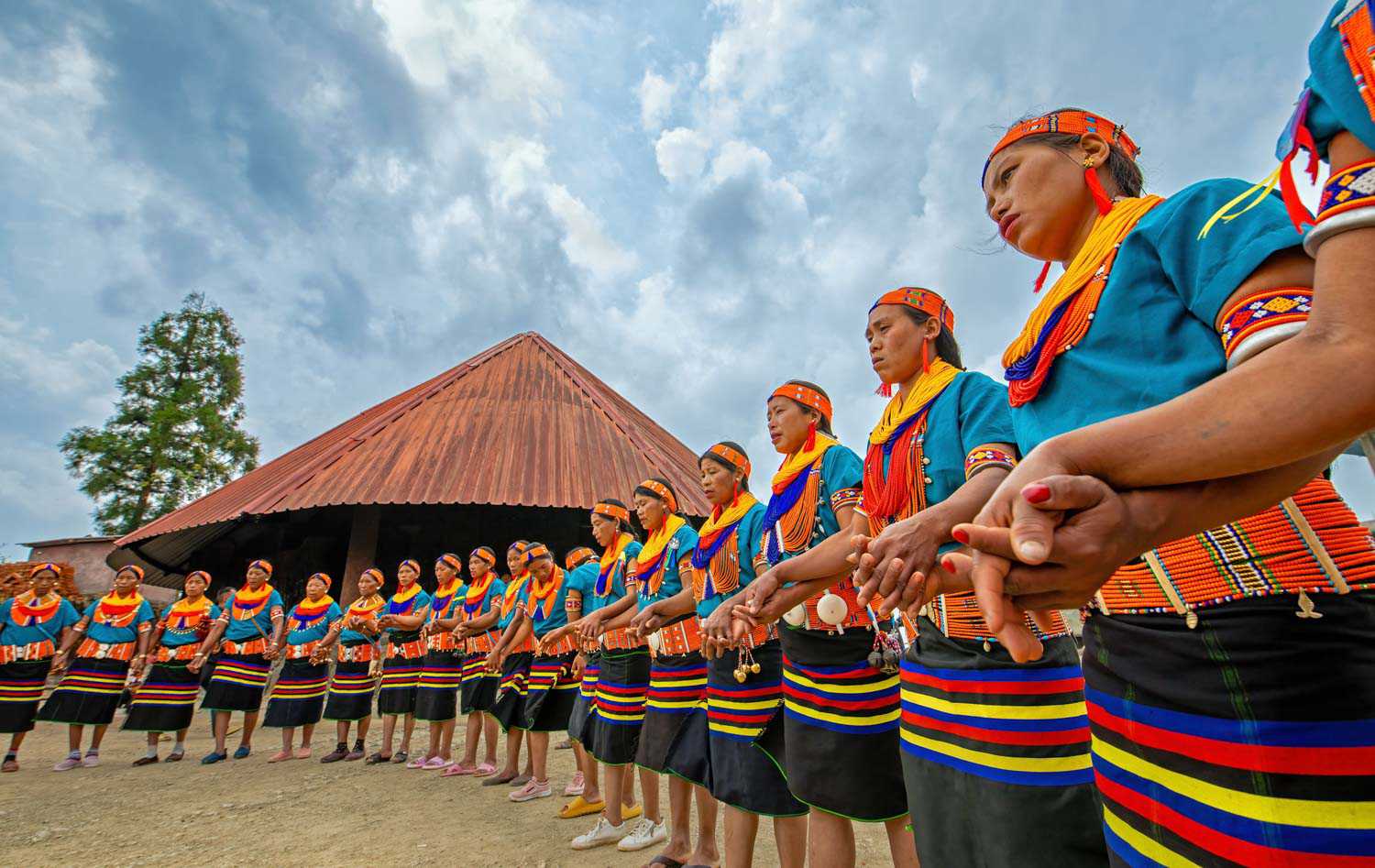
8. Every photographer has a favorite setup. What's currently in your camera bag, and if you could keep only one camera body and one lens for the next five years, which would you choose and why?
My camera bag is kept simple but versatile. I currently carry a Nikon Z6 II along with a Tamron 15–30mm f/2.8 and a Tamron 24–70mm f/2.8 lens with adapter. I also keep extra batteries, memory cards, and a few essential accessories for long days in the field.
If I had to rely on just one camera body and one lens for the next five years, I would choose the Nikon Z6 II paired with the Tamron 15–30mm f/2.8. It offers the perfect balance of image quality, speed, reliability, and versatility.
Whether I am documenting festivals, capturing portraits, or photographing landscapes, this combination allows me to tell compelling stories in almost every situation.
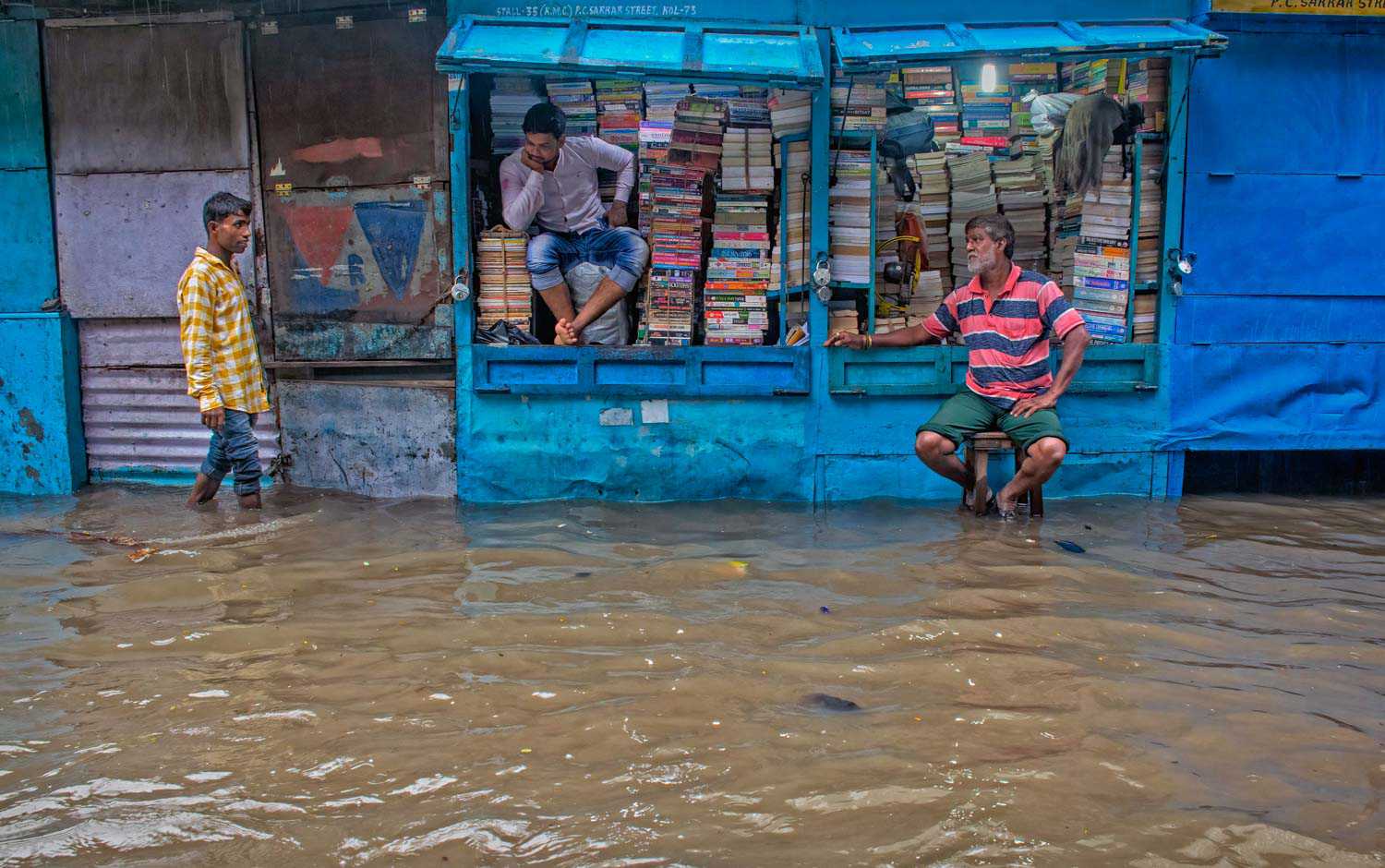
9. Your photographs have a distinctive style that feels both artistic and authentic. Is there a personal editing technique, creative habit, or "secret ingredient" that helps transform a good photograph into a memorable one?
I believe every photographer should eventually develop a unique visual identity—one that allows people to recognize their work instantly without seeing the name behind it. Achieving that takes years of dedication, constant learning, and the willingness to explore different genres and perspectives.
When it comes to editing, my goal is never to create something artificial. Instead, I try to recreate the light, colour, mood, and shadows exactly as I experienced them. Our eyes perceive a scene differently from the camera, and thoughtful post-processing helps bridge that gap.
I also avoid restricting myself to fixed crop ratios. If a photograph needs cropping, I crop only as much as the image demands. However, I now strive to compose my frames more carefully in-camera so that minimal cropping is required.
There is no real "secret ingredient." Before photographing any place, festival, or person, I spend time studying the subject and understanding its essence. Only then do I look for a fresh angle, a different perspective, or an unexpected moment. I believe memorable photographs are created through observation, patience, and original thinking.
10. Looking ahead, what dream project, destination, or story are you still hoping to photograph, and what impact would you like your work to leave on future generations of photographers?
One of my biggest dreams is to continue documenting the disappearing cultures, traditions, and indigenous communities of the world before they fade with time. I believe photography is not only about creating beautiful images but also about preserving history for future generations.
As for my legacy, I hope my work inspires photographers to look beyond awards and social media recognition. I want them to travel with curiosity, respect every culture they encounter, and tell stories with empathy.
If my photographs encourage even a few young photographers to document the world with authenticity, patience, and compassion, I will consider that my greatest achievement. In the end, meaningful storytelling will always outlive technical perfection.
"I hope my work inspires photographers to look beyond awards and social media recognition. Travel with curiosity, respect every culture you encounter, and tell stories with empathy. Meaningful storytelling will always outlive technical perfection."
Visit Abhishek Basak official website:
www.abhishekbasak.com
Follow him on Instagram:
@abhishek.basak.714
Connect on Facebook:
abhishek.basak.714
Explore his Top Photo Awards profile:
ABHISHEK BASAK