

In today’s world, almost everything can be learned online. There are YouTube tutorials, photography blogs, online courses, webinars, podcasts, e-books, AI assistants, and countless free resources available with a few clicks. We even published an article featuring free landscape photography e-books that photographers can download and study immediately.
Yet despite all these digital options, photography books continue to thrive.
There is something unique about sitting down with a well-written photography book. Unlike social media or YouTube, a book allows you to slow down. It gives you structure, depth, and a carefully organized learning experience. Instead of jumping between random tips and tutorials, you follow a logical path built by experienced photographers and educators.
Many successful photographers still keep shelves full of photography books. They return to them repeatedly for inspiration, technical guidance, and creative ideas. A good photography book does not become obsolete after a few months — it often remains useful for years.
If you are just starting your photography journey and want to accelerate your progress, the books below can help build a strong foundation in exposure, lighting, composition, creativity, and visual storytelling.
1. Light Science & Magic
If there is one book that can completely change the way photographers think about lighting, it is Light Science & Magic.
Many beginners focus heavily on cameras and lenses. While equipment certainly matters, experienced photographers know that light is what truly creates an image. Understanding how light behaves allows photographers to control mood, shape, texture, depth, and atmosphere.
What makes this book different is that it does not simply tell you where to place a light. Instead, it explains why light behaves the way it does. The authors break down complex concepts into practical lessons that photographers can immediately apply.
The book is particularly valuable for anyone interested in product photography, food photography, portrait photography, jewelry photography, cosmetics photography, or studio work. Subjects such as glass, metal, liquids, watches, and reflective surfaces can be incredibly challenging to photograph well. This book explains how professionals approach these situations.
Many photographers consider Light Science & Magic one of the most important educational photography books ever published.
View Book on Amazon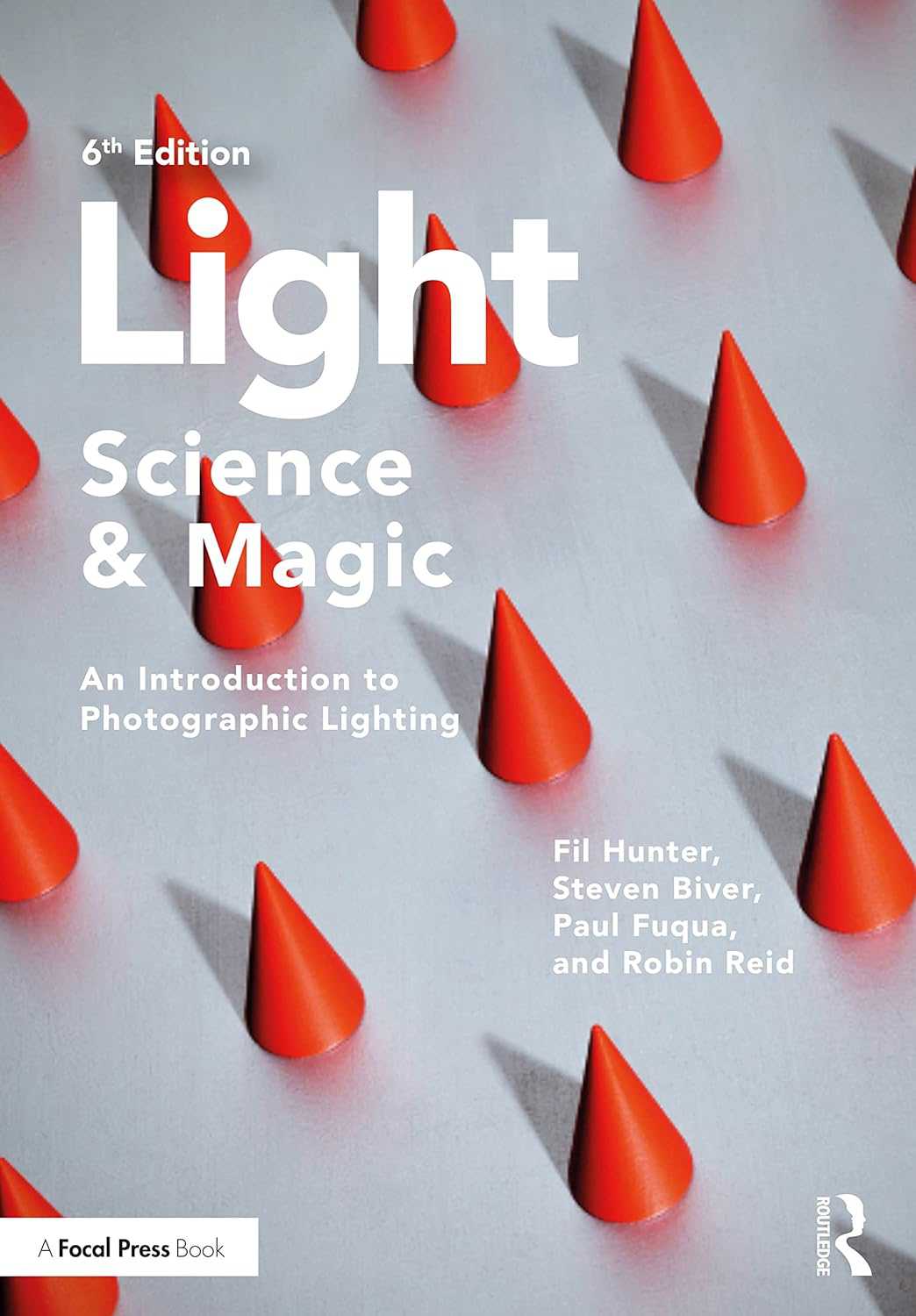
2. The Photographer’s Eye
While technical skills are important, photography is ultimately about seeing.
The Photographer’s Eye by Michael Freeman focuses on composition — the skill that often separates an average image from a memorable one.
Two photographers can stand in the exact same location with identical cameras and produce completely different results. The difference is often not equipment but visual awareness.
Freeman explores topics such as visual balance, geometry, leading lines, framing, color relationships, patterns, perspective, and subject placement. More importantly, he explains why these elements influence how viewers experience a photograph.
This book is especially valuable for landscape photographers, street photographers, travel photographers, architecture photographers, and portrait artists who want stronger compositions without spending money on new gear.
View Book on Amazon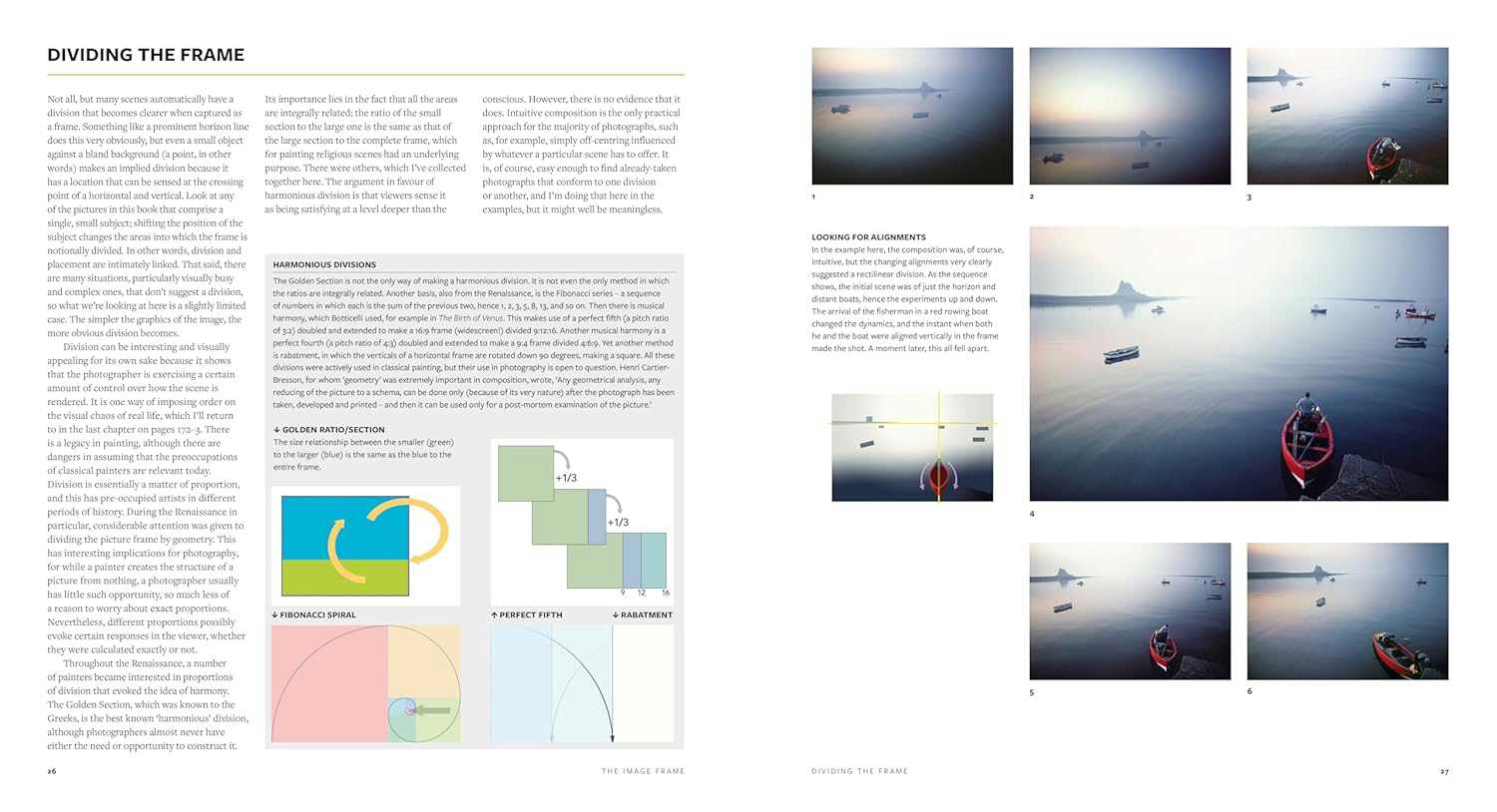
3. Understanding Exposure
Few photography books have helped more beginners than Understanding Exposure by Bryan Peterson.
For many photographers, manual mode feels intimidating. Aperture, shutter speed, ISO, metering, and depth of field can seem overwhelming at first. Peterson has a unique ability to make these concepts easy to understand.
Instead of treating photography like a technical manual, he focuses on practical situations and visual examples. Readers quickly learn how exposure affects the final image and how to make creative decisions instead of relying only on automatic settings.
The book explains how to freeze action, create motion blur, control depth of field, and work effectively in different lighting conditions. These are skills every photographer eventually needs to master.
Many photographers describe Understanding Exposure as the book that finally made photography “click” for them.
View Book on Amazon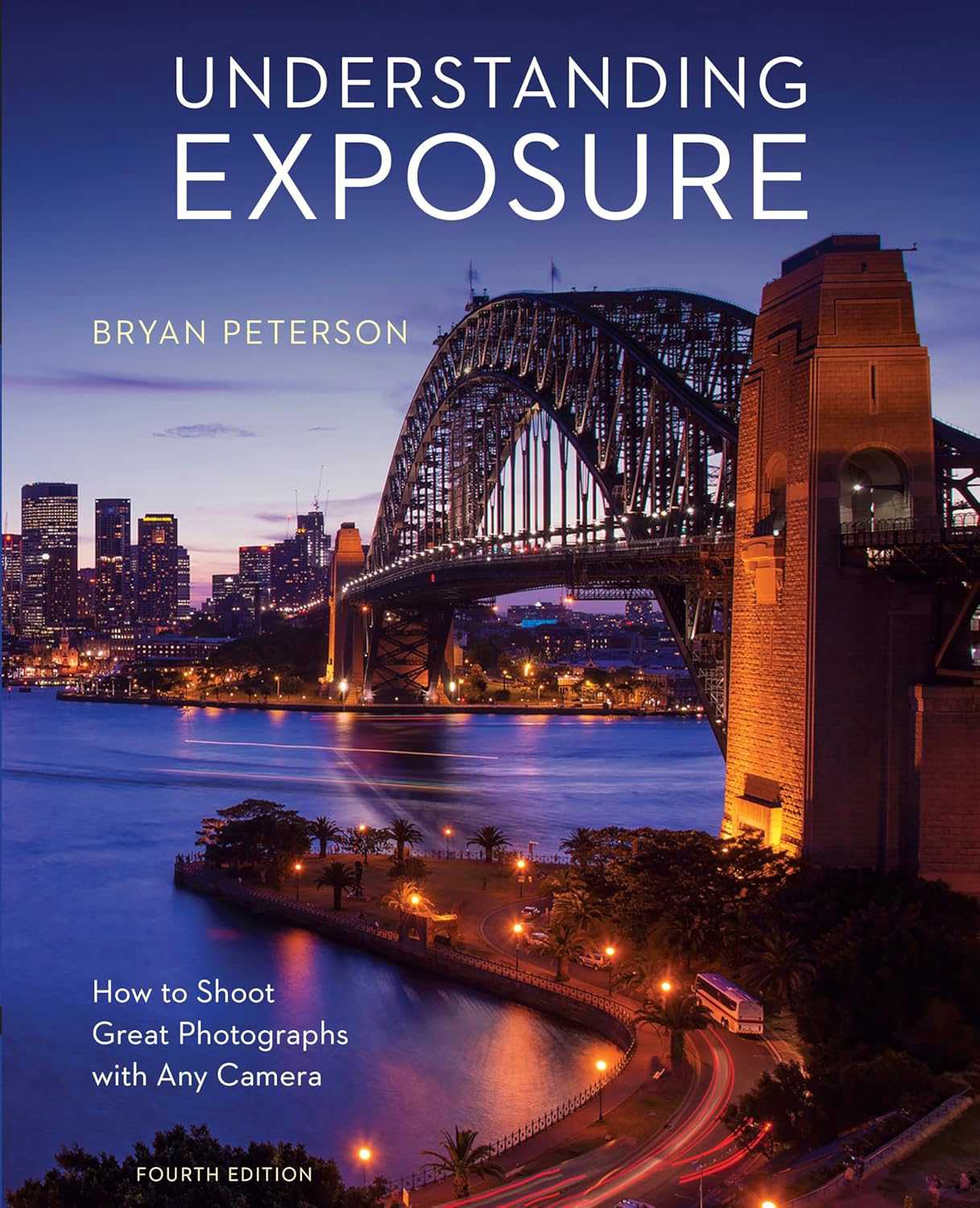
4. Photography 101
Many beginner photographers do not need another 500-page technical manual. They need a practical guide that answers common questions quickly and clearly.
Photography 101 serves exactly that purpose.
The book covers the fundamentals every photographer needs to understand: exposure, composition, focal lengths, lighting, camera settings, and common shooting situations.
One of its biggest advantages is accessibility. New photographers are often overwhelmed by books that assume prior knowledge. Photography 101 is written specifically for people who are still learning the language of photography.
For photographers looking for a simple starting point, this book provides a strong foundation without unnecessary complexity.
View Guide on Amazon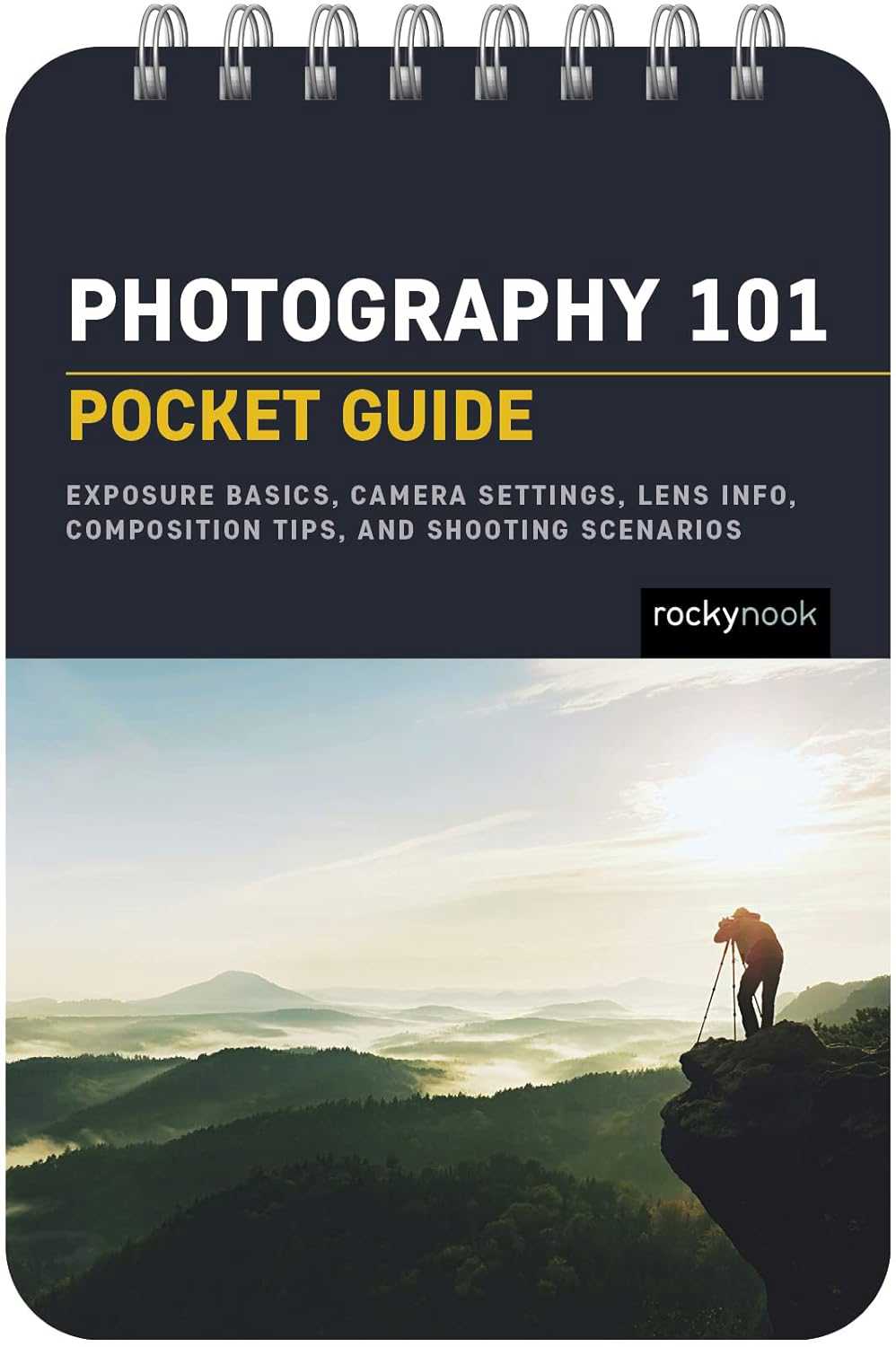
5. Photography Cheat Sheet Cards
Not every learning resource needs to be a traditional book.
Photography Cheat Sheet Cards are designed as quick-reference guides that photographers can keep in their camera bag and use during actual shoots.
Many beginners understand photography concepts while reading at home but forget important settings when standing in front of a real subject. These cards help bridge that gap.
Topics often include exposure relationships, aperture recommendations, shutter speed guidelines, composition reminders, and shooting scenarios.
While they should never replace deeper learning resources, they can reduce frustration and help beginners gain confidence faster.
View Cards on Amazon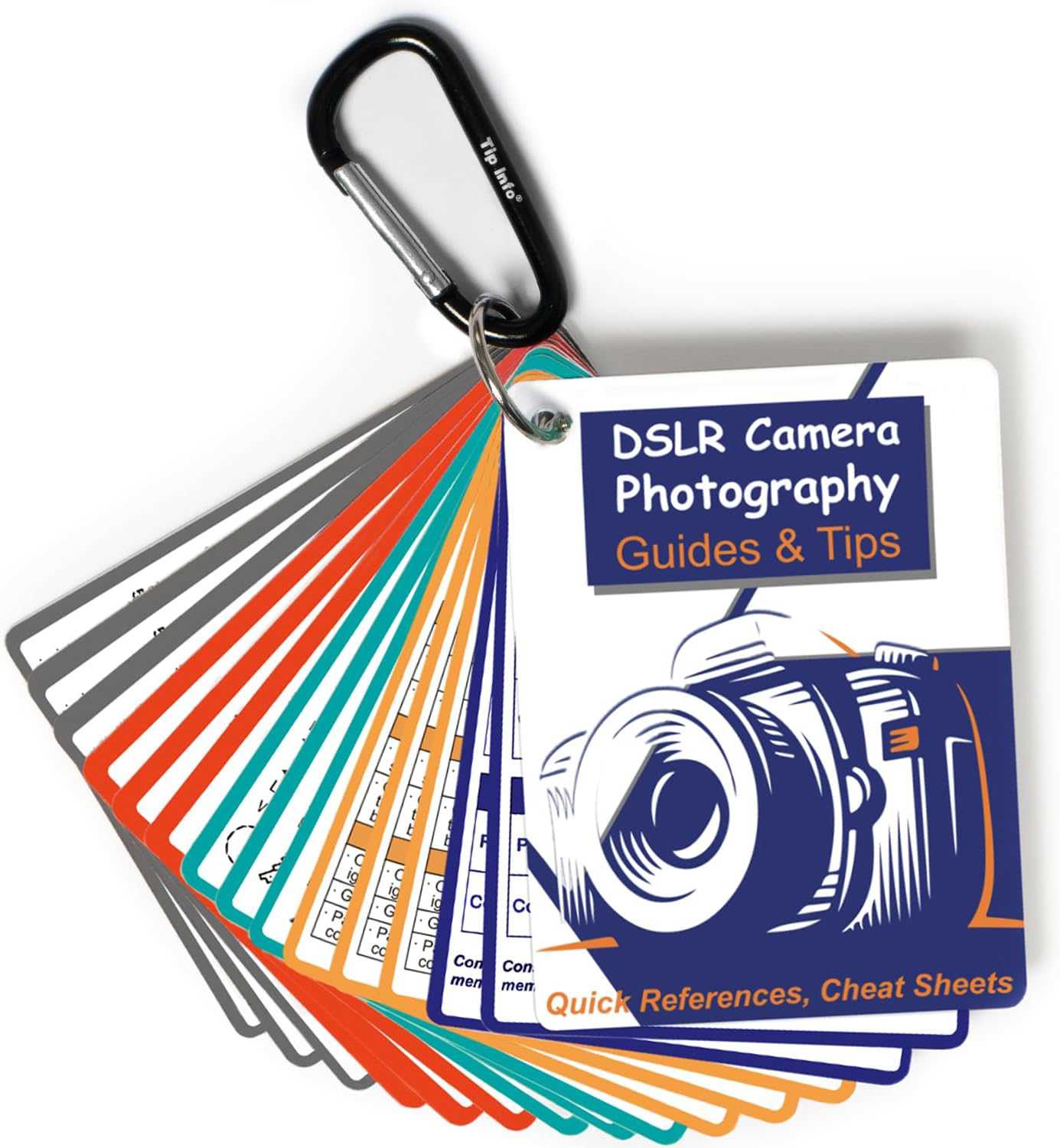
6. The School of Photography: Beginner’s Guide
Many photographers struggle because they try to learn everything at once. Camera settings, lenses, lighting, editing, composition, and storytelling can quickly become overwhelming.
The School of Photography: Beginner’s Guide takes a more structured approach. Instead of presenting random photography tips, it guides readers through the learning process step by step.
Marc Newton focuses heavily on practical application rather than theory alone. Readers are encouraged to move beyond simply understanding concepts and begin applying them through real-world shooting exercises.
One of the strongest aspects of this book is its ability to reduce confusion. Photography can feel intimidating when you are first starting out, but this guide breaks the process into manageable lessons that help build confidence gradually.
For complete beginners, that structure can be extremely valuable.
View Book on Amazon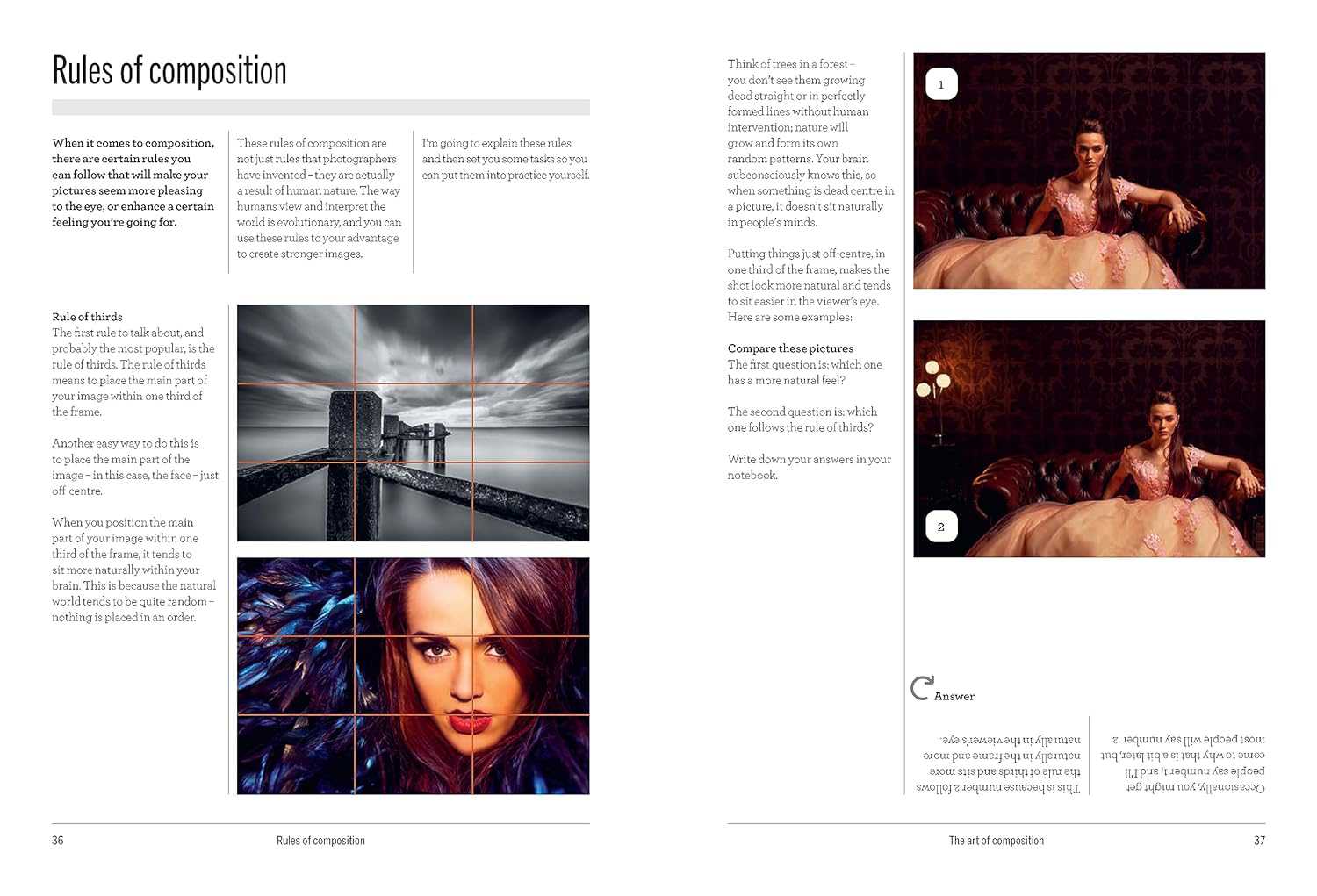
7. Digital Photography Complete Course
Some photographers learn best through a classroom-style experience.
Digital Photography Complete Course was designed specifically for those learners.
Structured as a multi-week learning program, the book combines explanations, exercises, assignments, and practical projects into a complete photography curriculum.
Instead of jumping randomly between topics, readers follow a path that gradually develops both technical and creative skills. The exercises encourage photographers to apply new concepts immediately rather than simply reading about them.
For photographers who appreciate structure and clear progression, this book offers one of the most organized learning experiences available in book form.
View Book on Amazon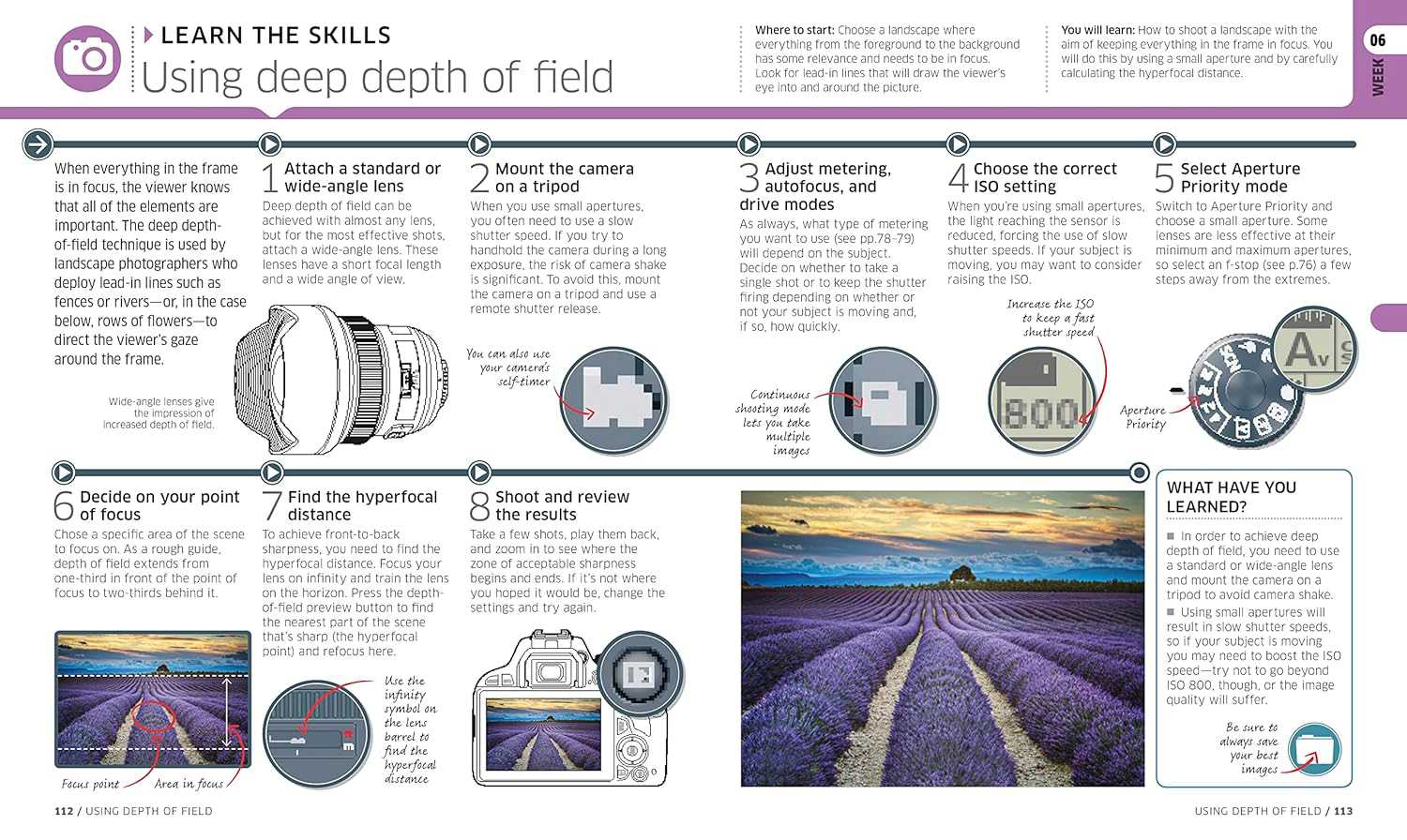
8. The Ultimate Playbook for Photographers
One of the biggest obstacles photographers face is not a lack of knowledge. It is a lack of consistent practice.
Many photographers know their camera settings perfectly but struggle with creative inspiration or regular shooting habits.
The Ultimate Playbook for Photographers addresses this challenge directly through hundreds of photography exercises and creative challenges.
Instead of waiting for inspiration to arrive, photographers receive prompts that encourage experimentation with different genres, techniques, and perspectives.
Some of the biggest improvements in photography come not from learning new techniques but from simply shooting more often and exploring unfamiliar subjects.
View Book on Amazon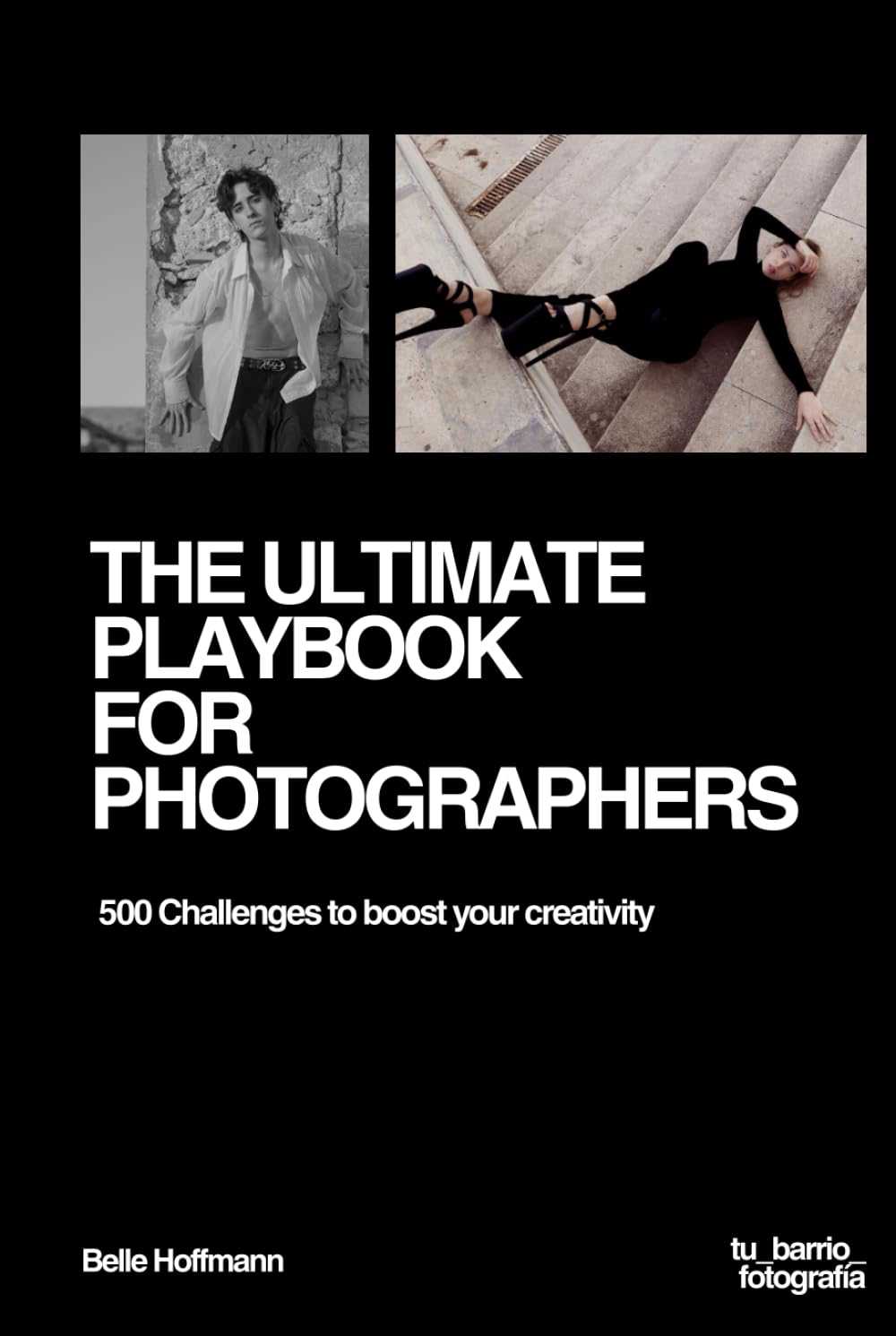
9. Mastering Composition
If Understanding Exposure teaches photographers how to use a camera, Mastering Composition teaches them how to create stronger photographs.
Composition influences every genre of photography.
Whether you photograph landscapes, portraits, wildlife, architecture, products, or street scenes, composition determines how viewers experience your work.
The book explores visual balance, symmetry, asymmetry, negative space, perspective, layering, framing, and visual flow. More importantly, it explains why these elements affect the emotional impact of an image.
Many photographers spend thousands of dollars upgrading cameras and lenses when improvements in composition would have a far greater effect on image quality.
View Book on Amazon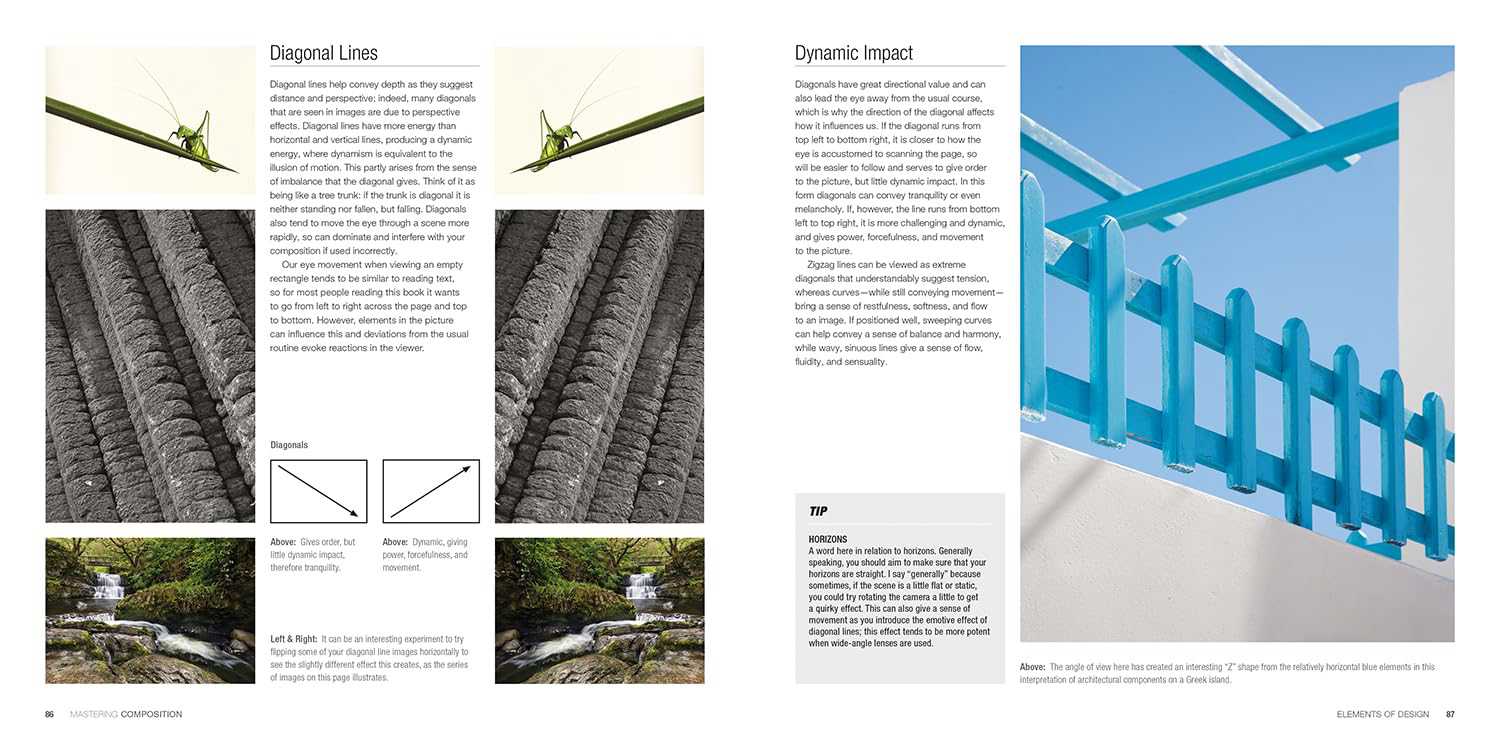
10. Visually Speaking
Eventually, every photographer reaches a point where technical skills alone are no longer enough.
The exposure is correct. The focus is sharp. The composition works. Yet something still feels missing.
Visually Speaking explores that next stage of photographic development.
Rather than focusing primarily on camera settings or technical techniques, Ted Forbes examines photography as a visual language and form of communication.
The book encourages photographers to think more deeply about intention, storytelling, meaning, and personal style. Why are you taking this photograph? What are you trying to communicate? How does the image make the viewer feel?
For those looking to move beyond technical competence and develop a stronger artistic voice, this book can be especially inspiring.
View Book on Amazon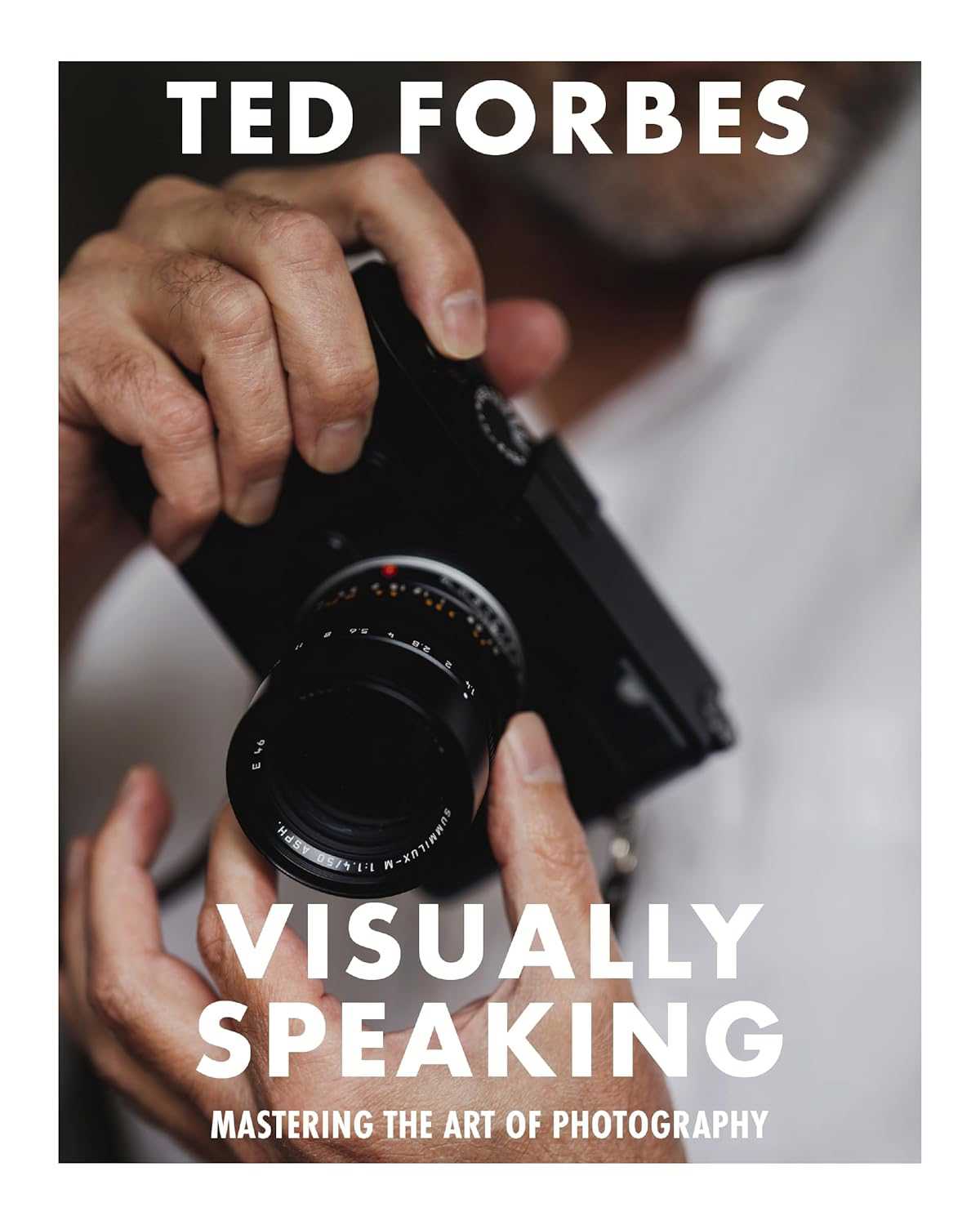
Why Books Still Matter
Photography education has changed dramatically over the last decade. Today, photographers have access to YouTube tutorials, online courses, workshops, podcasts, AI tools, blogs, e-books, webinars, and social media communities. The amount of information available is almost limitless.
Yet photography books continue to remain relevant.
The reason is simple: books provide structure. Online learning often happens in fragments — a five-minute video here, a tutorial there, a random Instagram tip between posts.
Books are different. They guide readers through a complete learning process and allow deeper understanding of a subject.
Many professional photographers continue buying books throughout their careers because books often provide something that social media cannot: focus.
Books Alone Will Not Make You a Professional
Of course, reading books alone will not turn someone into a professional photographer.
Photography is a practical craft. You still need to shoot regularly, experiment, make mistakes, receive feedback, edit your images, and continue learning.
Books provide knowledge. Practice transforms that knowledge into skill.
The photographers who improve fastest usually combine multiple forms of education: books, online courses, workshops, YouTube tutorials, photography contests, and real-world shooting experience.
Each resource contributes something different.
Keep Learning, Keep Creating
Every successful photographer starts somewhere. No one begins with perfect composition, flawless lighting, or a complete understanding of their camera. Those skills are developed over time through study and practice.
The books in this list cover some of the most important areas of photography: exposure, composition, lighting, creativity, visual storytelling, and practical shooting experience.
Whether you prefer learning through books, online courses, contests, or hands-on practice, the goal remains the same: keep learning and keep creating.
Years from now, you probably will not remember every camera setting from your first days as a photographer. But you will remember the lessons that helped you see differently.
And often, those lessons begin with a good book.
Disclosure: This article contains affiliate links. If you purchase a book through one of these links, Top Photo Awards may earn a small commission at no additional cost to you. Your support helps us continue creating educational content and opportunities for photographers around the world.
Banner photo by © IRINA MARKOVA